Landmarks in Montmartre: 11 documented places with neighbourhood, overview and a link to the official website or a documentary source.
11 places · Landmarks
Search precisely, choose confidently.
Search by name, street or neighbourhood, then use the main and detailed categories. Each entry briefly explains the place and links to the source used for verification.
Opening hours and prices can change. Always check the venue’s official website on the day of your visit.
The living neighbourhood beyond the landmarks
Montmartre in pictures
A place is also an atmosphere.
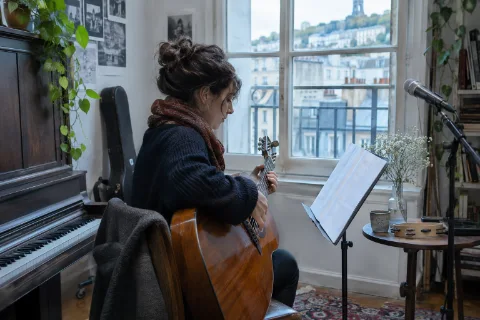
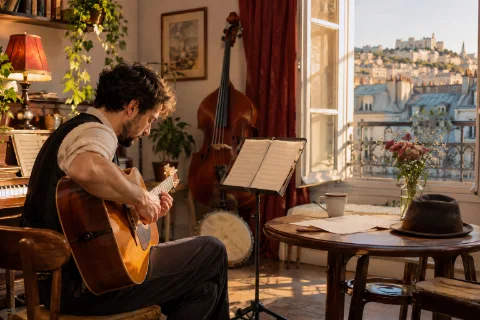
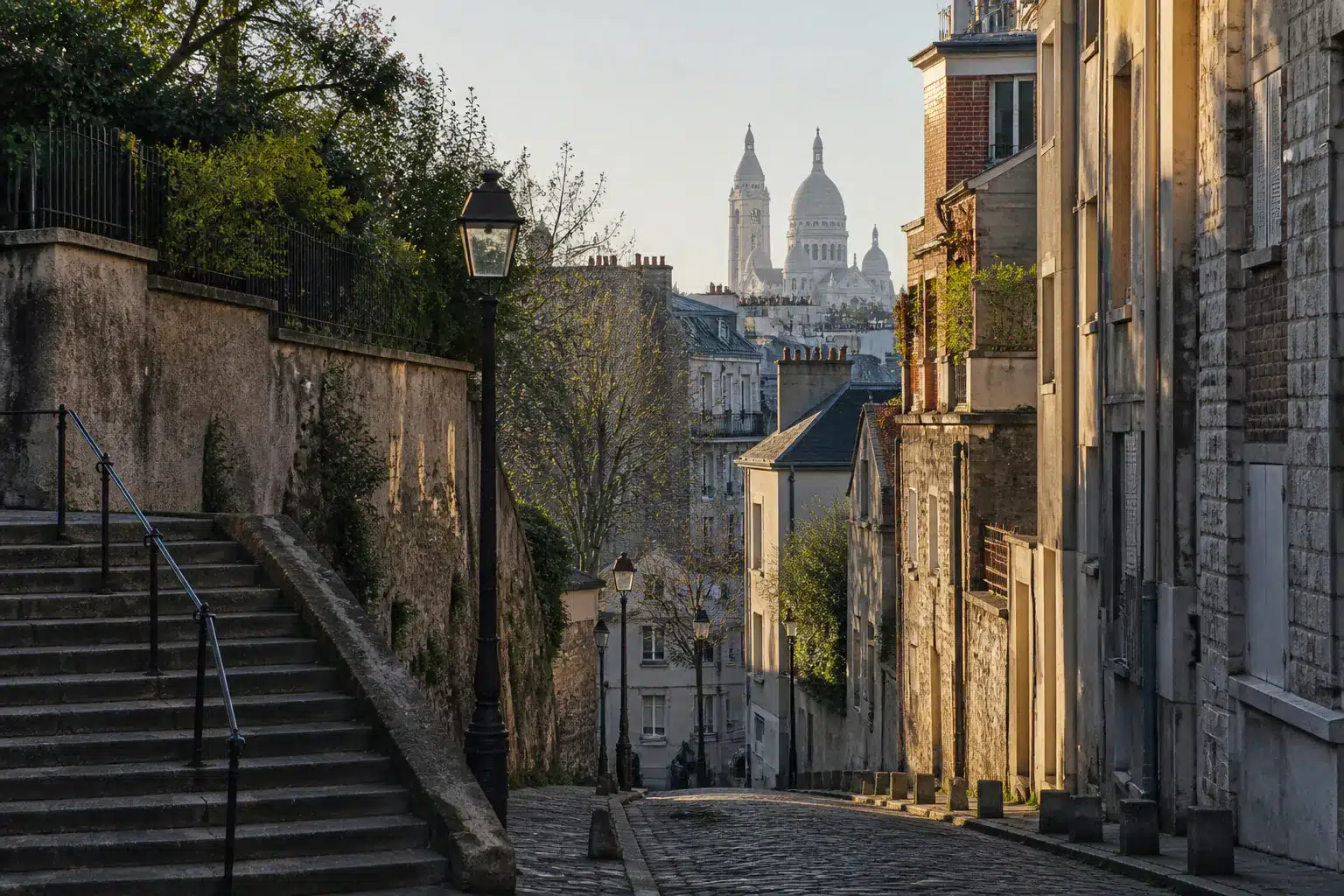
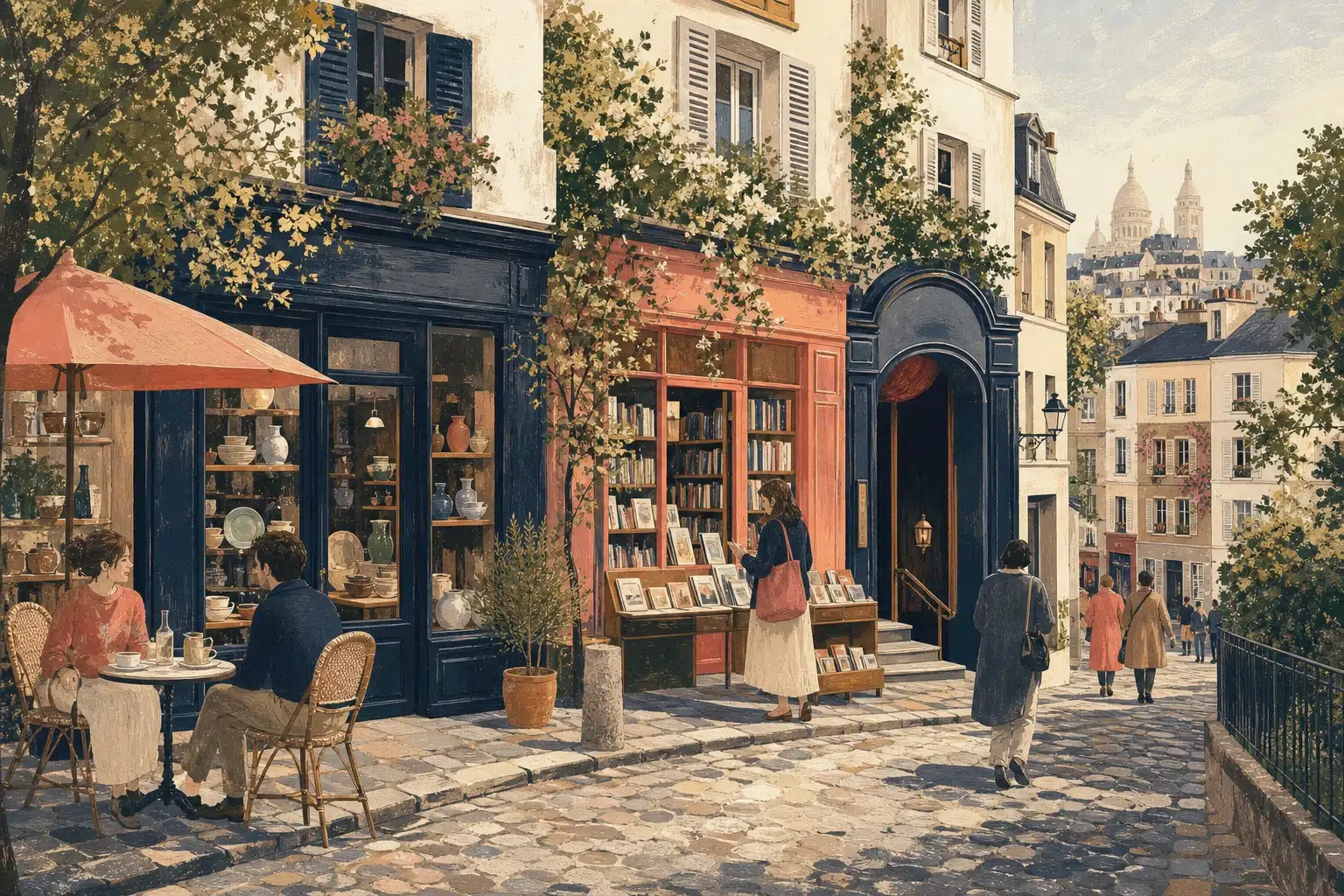
The atmosphere visuals below introduce the directory’s six main families; they do not document a specific venue. The illustration brings together the hill’s everyday character: a terrace, a maker’s window, books, a small stage and sloping streets.
79places in this selection79places with an official or institutional source1403additional records through the OpenStreetMap filter22 August 2026initial survey
Coverage includes the hill, other parts of Paris’s 18th arrondissement and nearby places, including Pigalle and the 9th. Each listing gives its area and address so you can locate it before planning your journey.
A basilica or church may admit visitors around services, while a private studio, windmill or vineyard may only be seen from the street. Use each linked record to confirm access before planning an indoor stop. For the history of 1871, streets are documentary landmarks, not intact remains.
No place matches this search. Try another term or a broader category.
Places in pictures
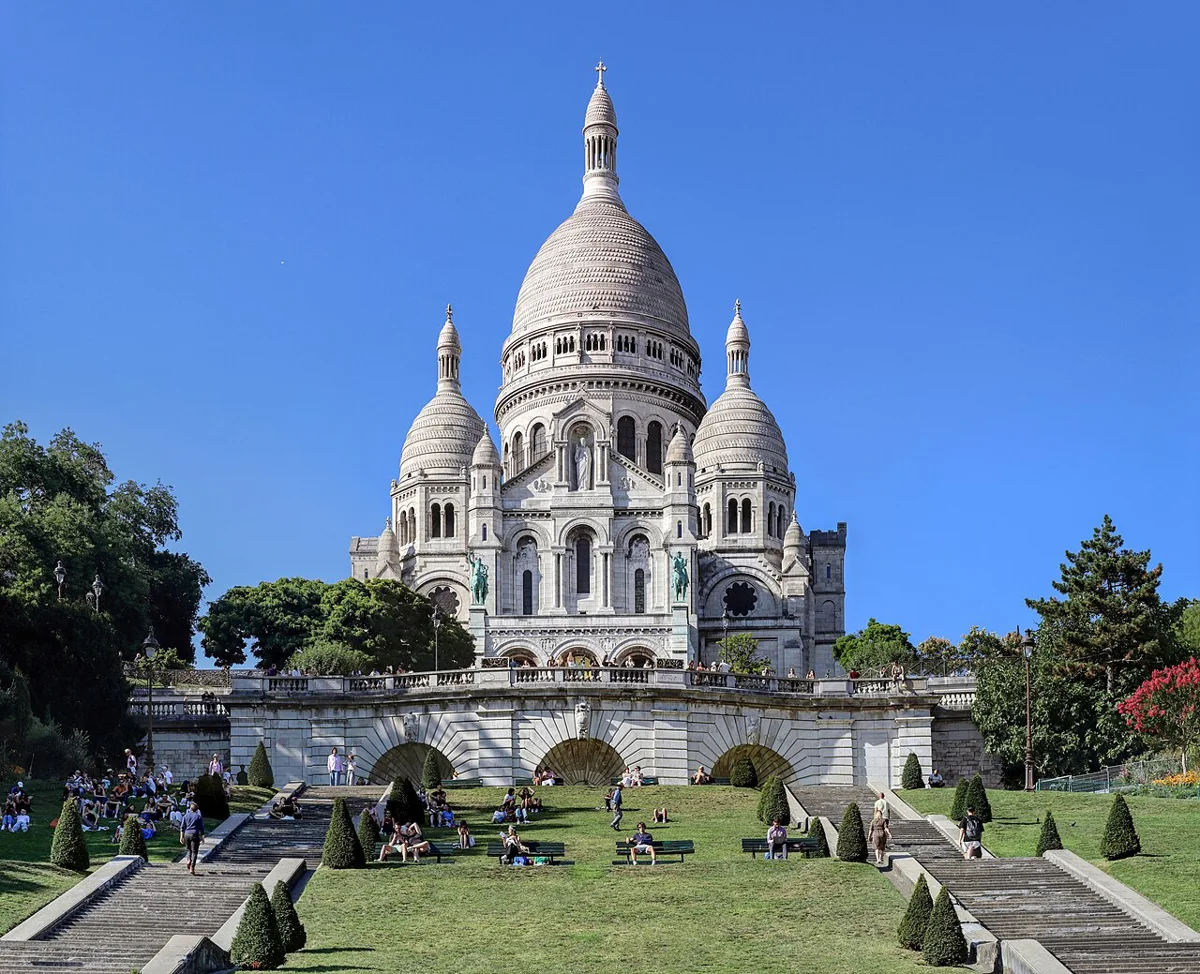
HeritageHilltopGiò Terra (Terragio67) · CC BY-SA 4.0 · Commons ↗ 2024-08-27 · Adapted WebP image
Basilique du Sacré-CœurMontmartre’s landmark sanctuary and viewpoint; basilica entry is free, while the dome has separate visiting conditions.Inaugurated in 1923, the choir mosaic covers 475 m². Its creators are Olivier Merson, H. M. Magne and R. Martin.Dome tickets are sold on site. The climb involves 280 steps in a narrow staircase. The lift at the rear serves the basilica. The sanctuary lists separate dome hours, which can change with weather or maintenance. Photographs are prohibited in the nave and during services, but allowed in the side aisles and ambulatory during visits.35 rue du Chevalier-de-la-BarreSource checked Details and visiting information →
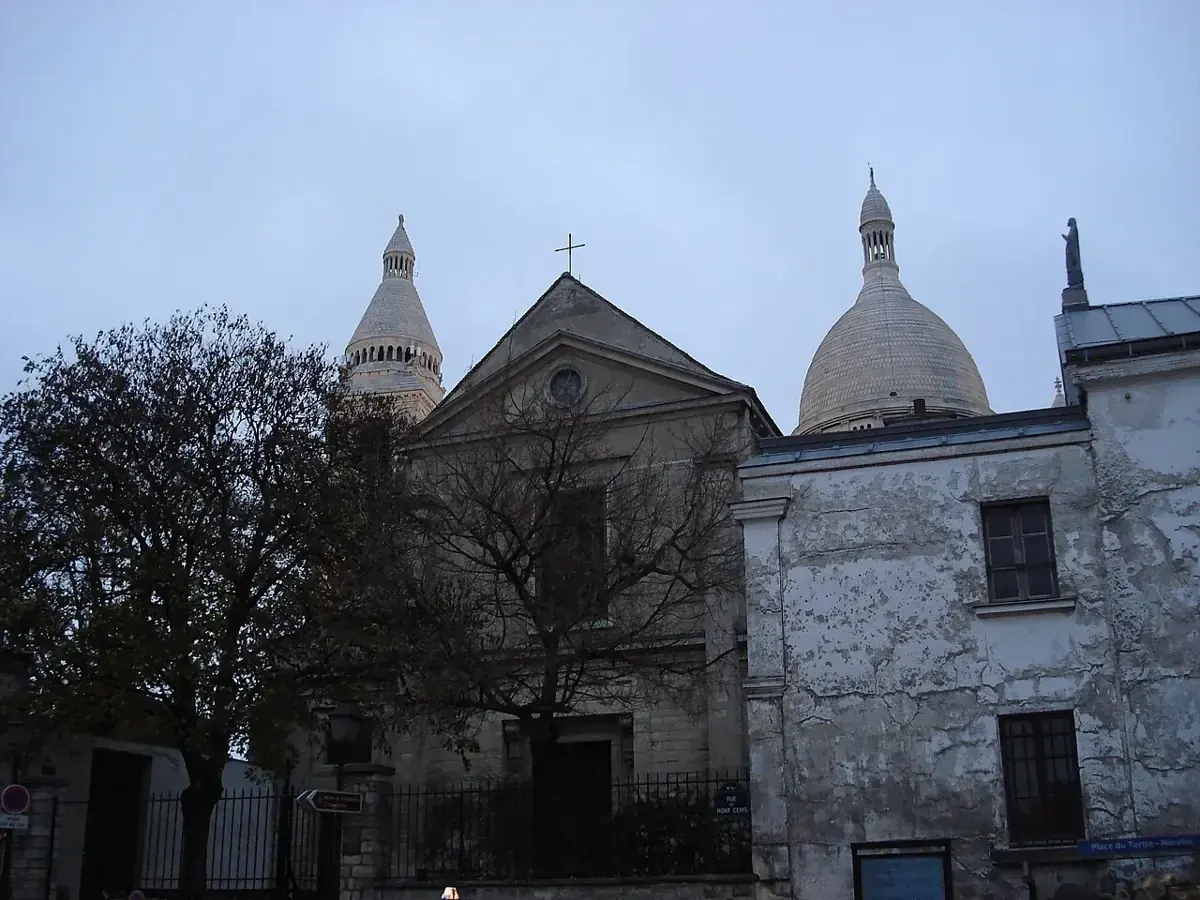
HeritagePlace du TertreVania Teofilo · CC BY-SA 3.0 · Commons ↗ 2006-11-22 · Adapted WebP image
Église Saint-Pierre de MontmartreHistoric church connected with Montmartre’s former royal abbey, immediately beside Sacré-Cœur.Consecrated in 1147, the church combines antique columns, stained glass by Max Ingrand (1954) and bronze doors by Tomaso Gismondi (1980).The parish dates the start of construction to 1133 and consecration to 1147. Do not confuse this church with the neighbouring basilica.2 rue du Mont-CenisSource checked Details and visiting information →
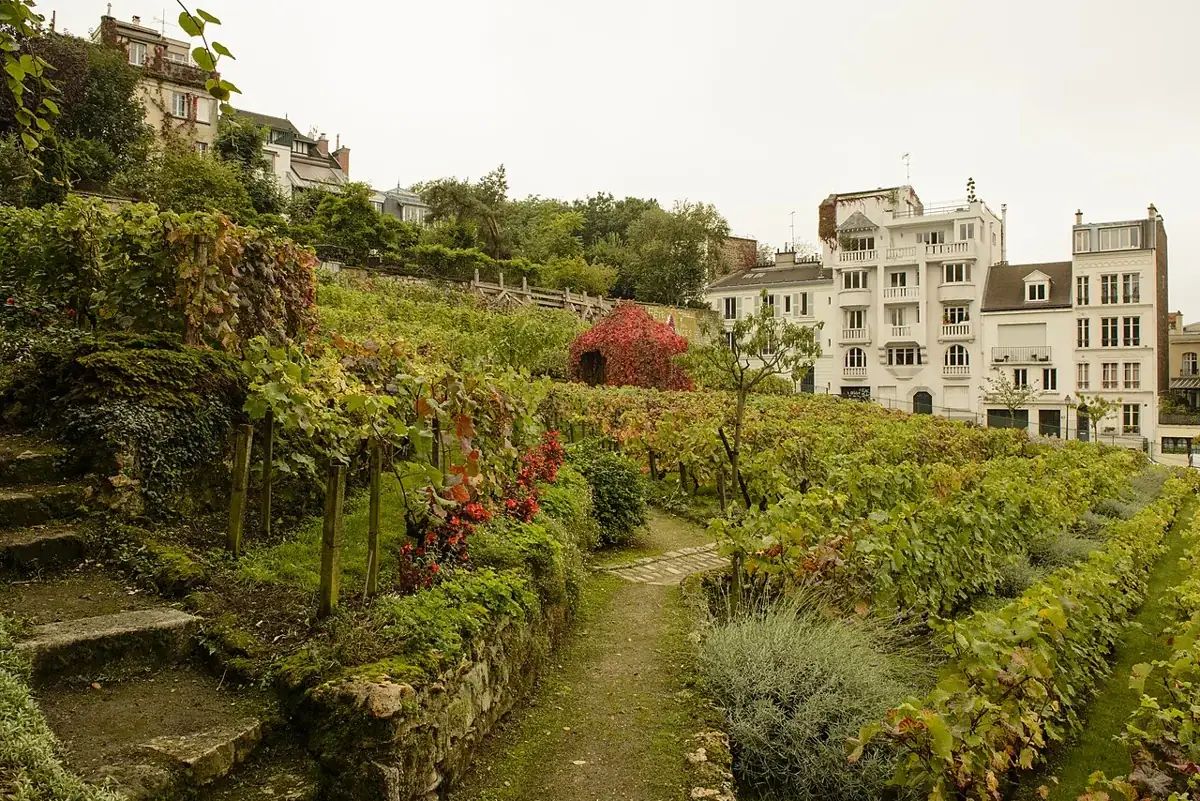
HeritageNorthern slopeSon of Groucho from Scotland · CC BY 2.0 · Commons ↗ 2012-10-09 · Adapted WebP image
Clos MontmartreThe vineyard is a production site maintained by City gardeners, rather than a freely accessible garden.Vines were replanted in 1933 after wine-growing declined on the hill. Today’s Clos is a revival, not an untouched medieval vineyard.The vineyard is a production site maintained by City gardeners, rather than a freely accessible garden. The City reserves inside access for guided visits. On an unplanned walk, observe the plots from rues des Saules and Saint-Vincent; to enter, find a confirmed tour. The municipal timetable’s technical “24 hours” display is not permission to enter.14 rue des SaulesSource checked Details and visiting information →
HeritageGrandes-CarrièresCarl Campbell from Santiago de Querétaro, México · CC BY 2.0 · Commons ↗ 2016-10-21 · Adapted WebP image
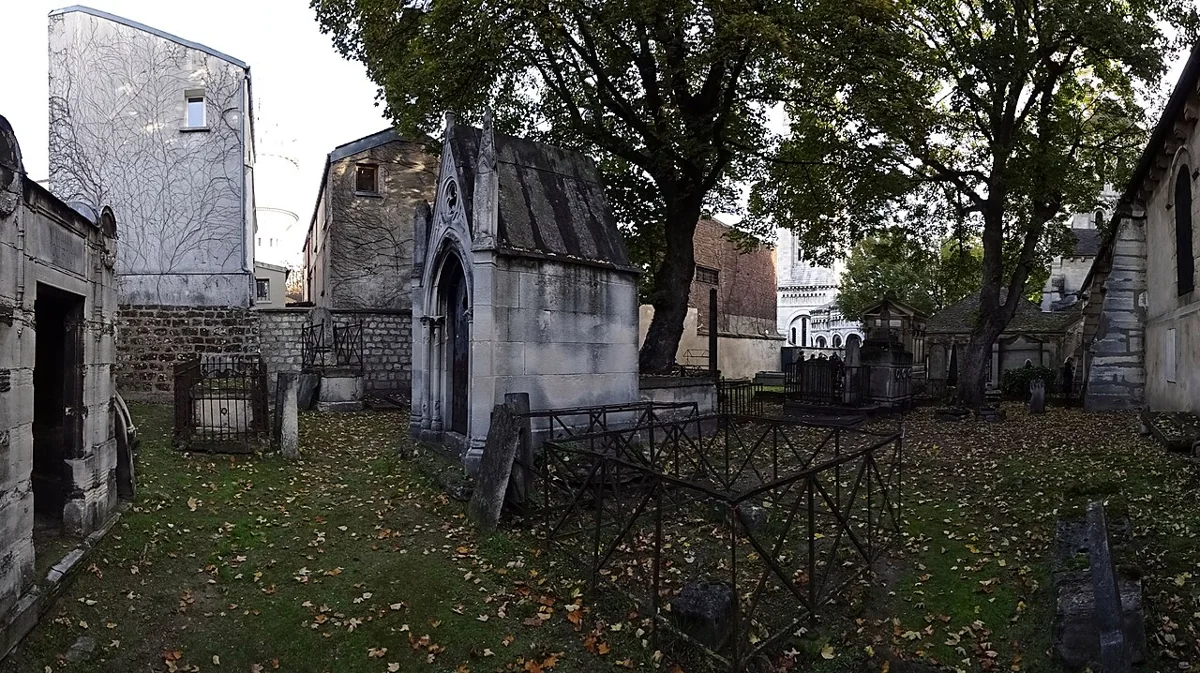
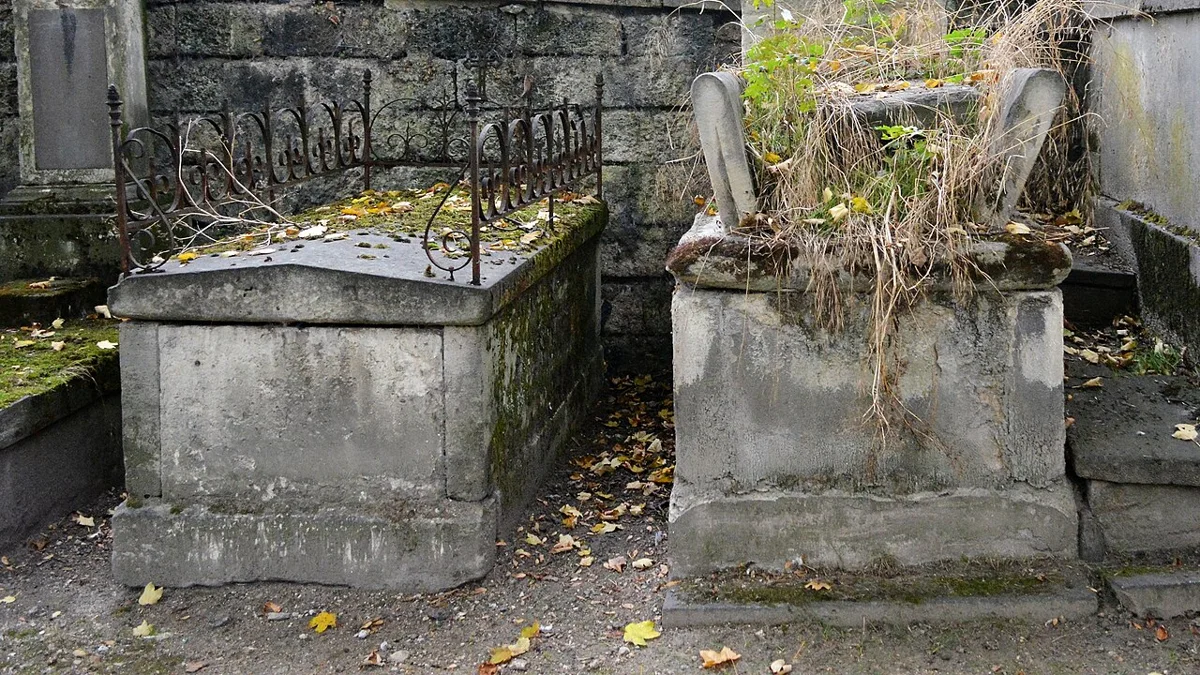
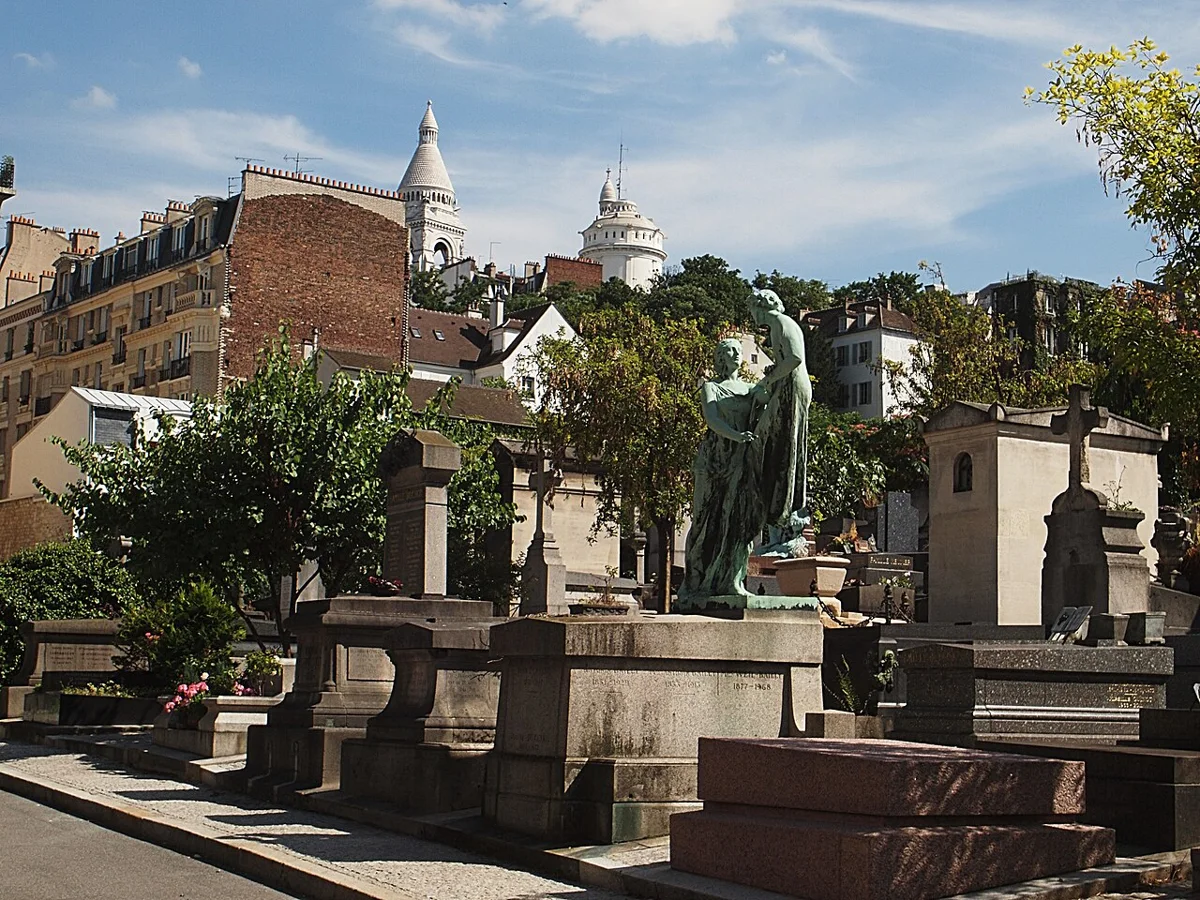
Cimetière de MontmartreTree-filled historic cemetery opened in 1825, with a notable-graves map and visiting guidance on the City page.Opened in 1825 on former gypsum quarries, the northern cemetery has been spanned by the Caulaincourt bridge since 1888. Its terrain also recalls that underground history.The City notes that accessibility is limited to some areas. Download the City map in advance to find the division you plan to visit. Michou is buried in Saint-Vincent Cemetery. Office hours for the cemetery administration are listed separately. This remains a place of mourning: picnics, jogging, bicycles, scooters and pets are prohibited.20 avenue RachelSource checked Details and visiting information →
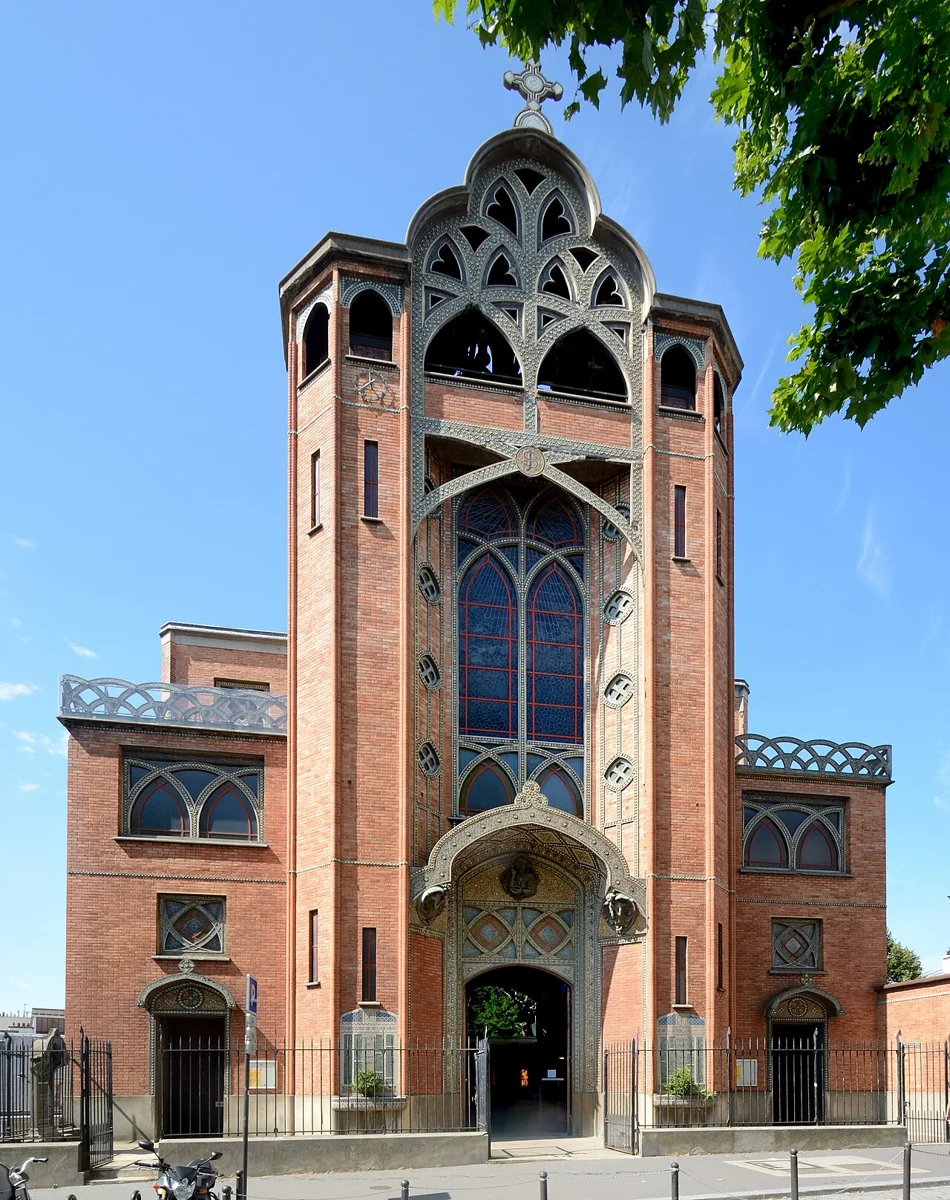
Église Saint-Jean de MontmartreSaint-Jean stands on place des Abbesses, distinct from Saint-Pierre at the summit.The heritage record dates construction to 1894–1904 and identifies architect Anatole de Baudot and engineer Paul Cottancin.The City and diocese list the church at 19 rue des Abbesses. Its façade can be viewed from the square without planning an inside visit. To enter, consult parish information and respect services. Distinguish Saint-Jean on place des Abbesses from Saint-Pierre de Montmartre near Sacré-Cœur. This page does not promise a guided-tour slot or step-free access.19 rue des AbbessesSource checked Details and visiting information →
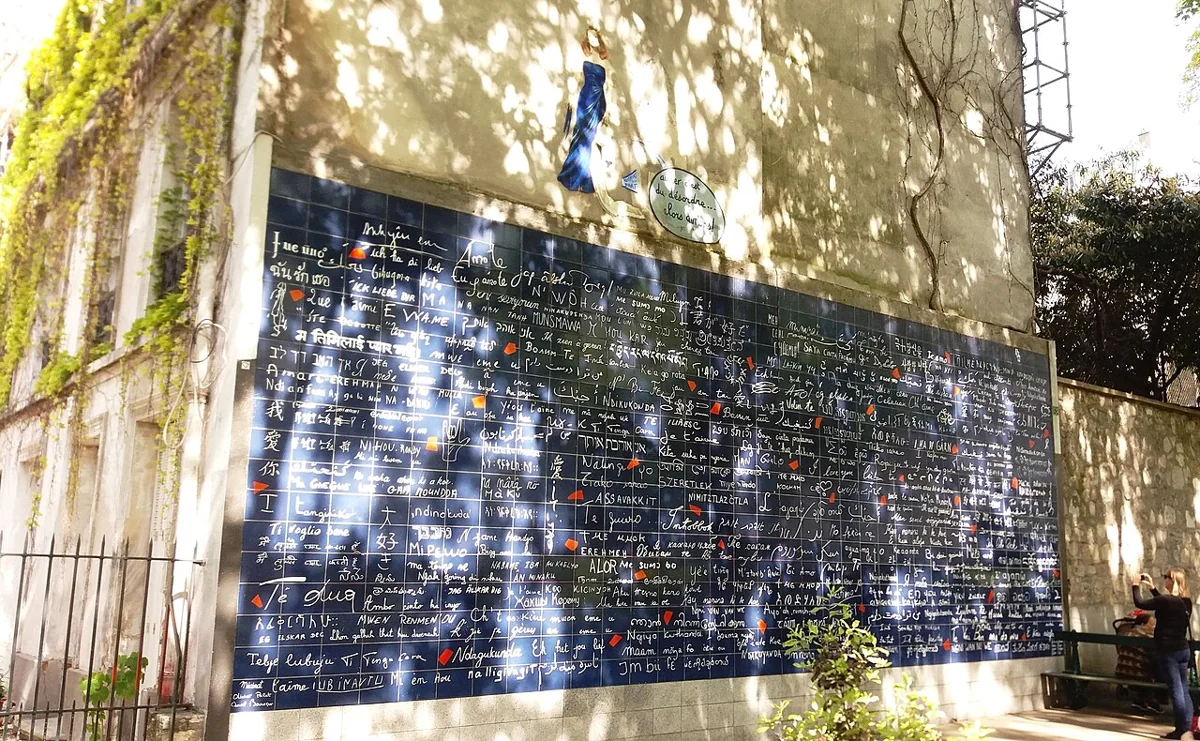
Square Jehan-Rictus and Wall of LoveGarden containing the Wall of Love. The City listed the monument as inaccessible for safety reasons when checked; confirm its status before visiting.Installed in October 2000, the I Love You Wall combines writing and calligraphy: 311 declarations of love in more than 250 languages, according to the City.The restriction concerns the wall: distinguish it from garden opening hours. The City listing notes a play area and drinking water. The toilets referenced on that listing are opposite 34 boulevard de Clichy, not beside the wall. Check its status before planning to photograph the artwork.14 place des AbbessesSource checked Details and visiting information →
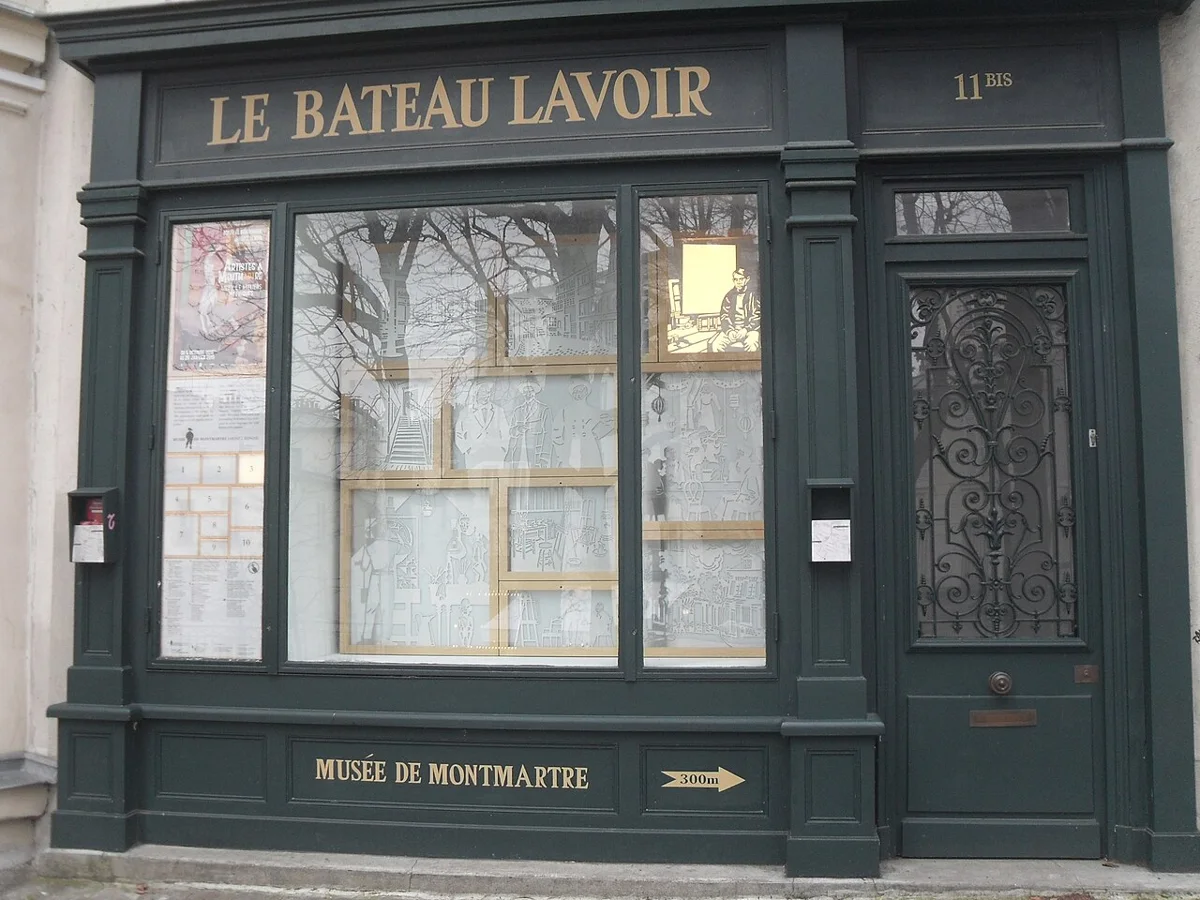
Bateau-LavoirThe tourist office describes a historic artists’ residence that still contains studios, with access only by appointment.After its purchase in 1889, the Bateau-Lavoir was converted into studios where Picasso and Juan Gris worked. Fire destroyed the wooden studios in 1970. They were rebuilt in 1978.The tourist office describes a historic artists’ residence that still contains studios, with access only by appointment. A walk through place Émile-Goudeau locates its history without treating working spaces as an open attraction. To explore the hill’s artistic life, plan a Musée de Montmartre visit rather than expecting spontaneous studio entry.13 place Émile-GoudeauSource checked Details and visiting information →
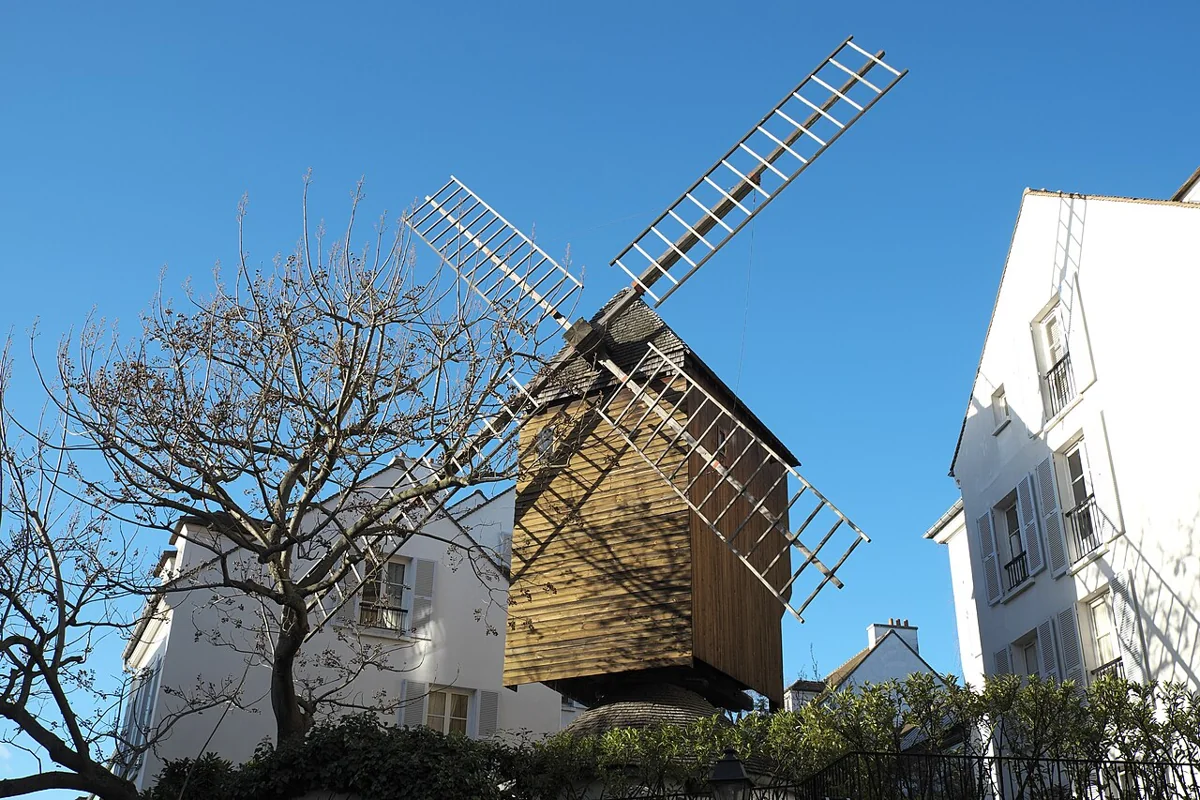
Moulin de la Galette — historic windmillThe tourist office traces the transition from flour mill to entertainment venue.Two mills survive: the Blute-Fin, originating in 1622, and the Radet, from 1717. The Radet was relocated to the Lepic–Girardon corner in 1925.The tourist office traces the transition from flour mill to entertainment venue. On a rue Lepic walk, connect the building, slope and artistic representations. Distinguish the historic landmark from a restaurant using the same name: a meal reservation is not a heritage tour of the windmill.75–77 rue LepicSource checked Details and visiting information →
HeritageNorthern slopeFrancisco Gonzalez · CC BY 2.0 · Commons ↗ 2012-08-08 · Adapted WebP image
Cimetière de Saint-VincentThis northern-slope cemetery is separate from the large Montmartre cemetery near Blanche.Opened in 1831, Saint-Vincent preserves Restoration-style graves of Montmartre families, notably in division 11. It is separate from the larger cemetery near Blanche.This northern-slope cemetery is separate from the large Montmartre cemetery near Blanche. The City provides a downloadable grave plan and lists mobility access. Plan a respectful visit: picnics, treasure hunts and sports are inappropriate here. Check the date range of the timetable; admissions end before closing.6 rue Lucien-GaulardSource checked Details and visiting information →
HeritageAnvers / HilltopRoel Hemkes from Amersfoort, Netherlands · CC BY 2.0 · Commons ↗ 2014-05-23 · Adapted WebP image
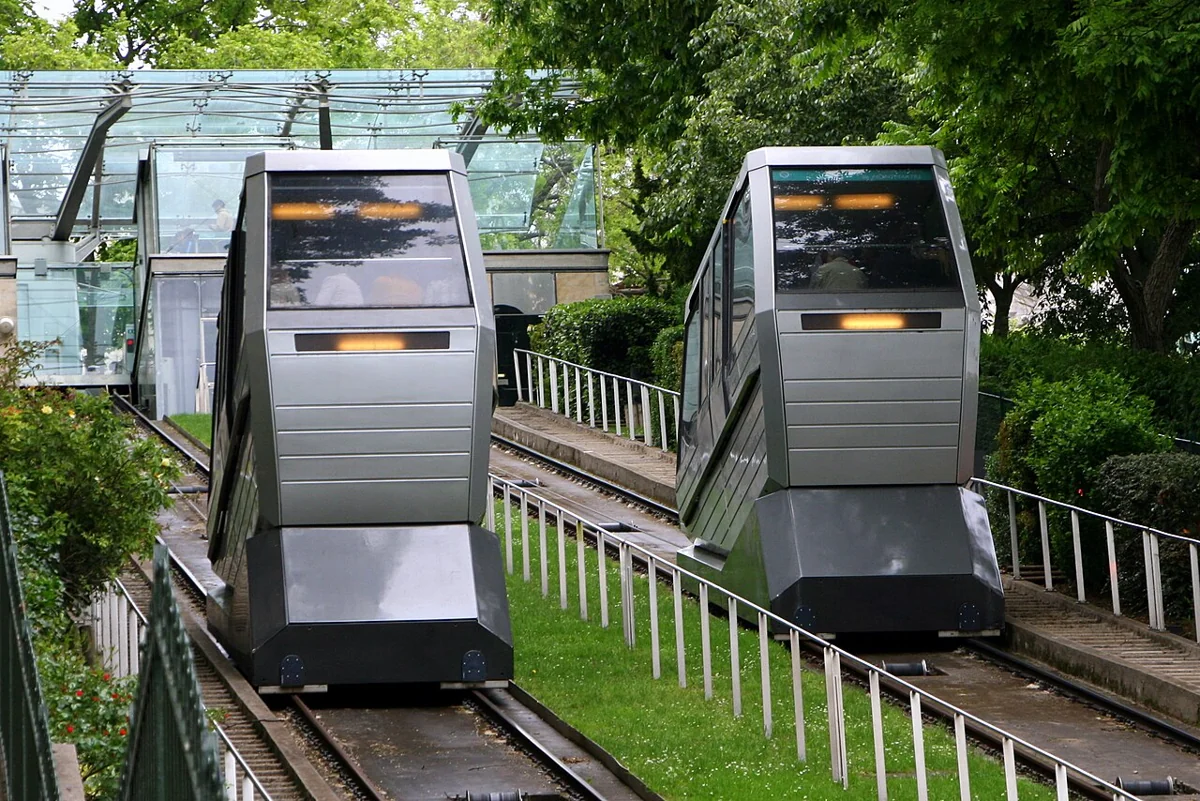
Funiculaire de MontmartreThe funicular links the foot of Montmartre with the summit of the hill.RATP includes the funicular among journeys covered by the Metro-Train-RER ticket. The ticket can be loaded onto Navigo Easy or a compatible phone. Check ticket validity, transfer rules and service status separately: a ticket stored on your phone does not confirm successful validation. The funicular avoids this climb, but surrounding streets still have slopes and steps. RATP’s history distinguishes the 1935 electric system from the 1991 reconstruction: since the latter, each cabin has its own drive. François Deslaugiers designed the stations and Roger Tallon the cabins. An old photograph may therefore show a different generation of the installation.Rue Tardieu / rue du Cardinal-DuboisSource checked Details and visiting information →
Cimetière du CalvaireCalvaire cannot be planned as a daily open stop.Calvaire cannot be planned as a daily open stop. The City permits no independent visits and lists free guided visits only on 1 November. It also lists no mobility access. Confirm arrangements for your chosen year before travelling; details from an earlier edition do not guarantee an available tour.2 rue du Mont-CenisSource checked Details and visiting information →
Use the directory well
Three things to know before choosing.
Montmartre is also discovered through its everyday places. These simple habits will help you build a coherent walk, book at the right time and better support the venues that keep the neighbourhood alive.
01 · BY AREA
Stay on one side of the hill.
Pair Abbesses with Pigalle, the northern slope with Lamarck, or Anvers with Goutte d’Or. Distances look short on a map, but slopes, steps and cobbles quickly slow the walk.
02 · BEFORE YOU GO
Check the condition that matters.
For a show or small restaurant, book first. For a garden, museum or library, focus on opening times and temporary closures. For a studio-shop, confirm its opening days.
03 · SUPPORT LOCAL
Use the direct link.
Each listing links to the venue or a public source. Booking direct, buying from a maker and choosing an independent bookshop or store supports the local economy more effectively than generic intermediaries.

 Details and visiting information →
 Details and visiting information →
 Details and visiting information →
 Details and visiting information →