Mobility and comfort · Guide 2026
Planning a more accessible Montmartre
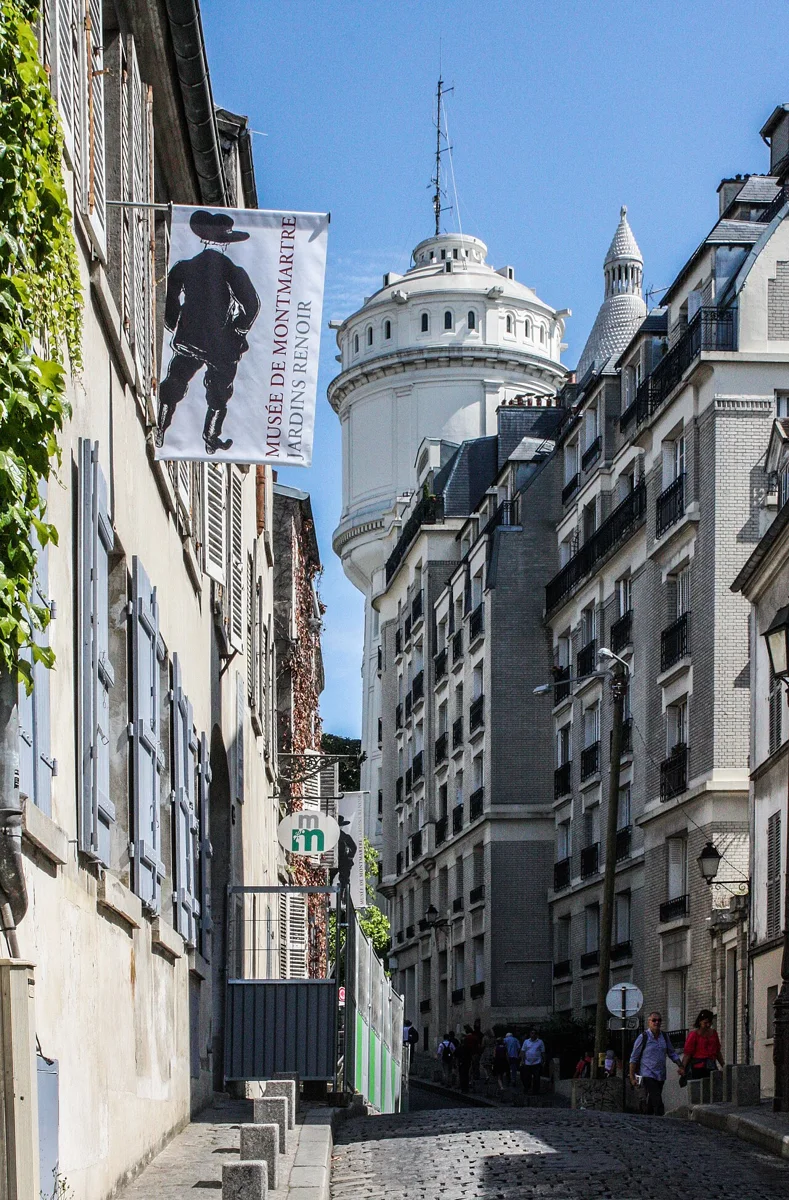
In Montmartre, gradients, cobbles and narrow pavements can make it difficult to get between nearby addresses. Start with the entrance and the parts of the venue you want to see. Then check the transport, the final street approach and the options for an accessible return journey.
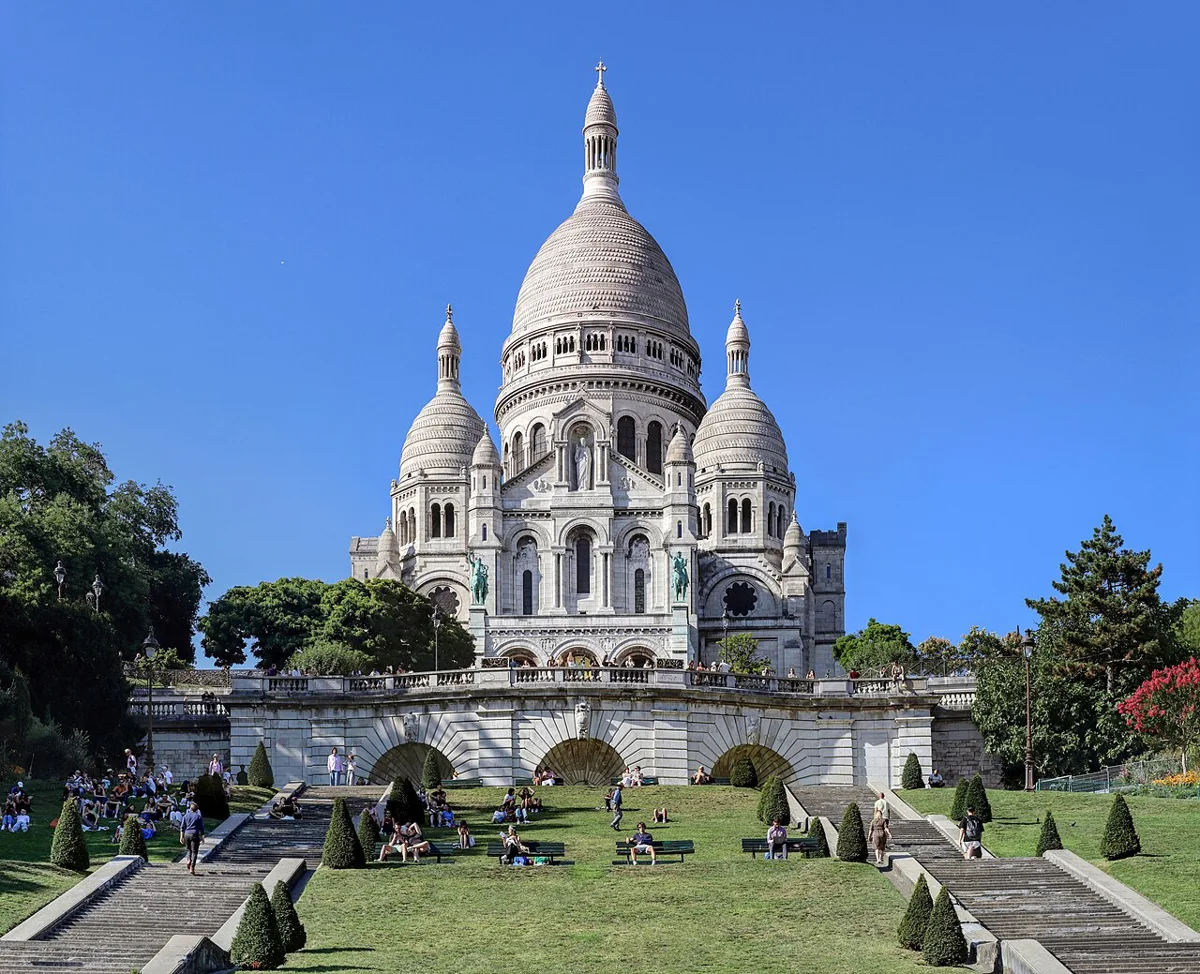
Date listed by the source: 2014-05-23 16:13. Resized and converted to WebP. This image does not establish the venue’s present condition.
The short answer
What matters before you go.
Do not try to reproduce the standard tourist itinerary. Choose one or two accessible places on the same level, connect them along a road route and keep a fallback plan. The summit, place du Tertre, rue Cortot and Abbesses do not form a level loop: each connection must be checked for your wheelchair, available assistance, fatigue and works on the day.
Action plan
The route,
step by step.
Times and order are guideposts. Always adapt the visit to crowds, actual access and your group’s energy.
List non-negotiable needs
List required width, manageable gradient, independence, transfer needs, accessible toilets and companion requirements. These criteria quickly rule out an attractive but unsuitable venue.
Choose arrival before attractions
RATP’s bus map lists route 40 among the exceptions to wheelchair access. Abbesses has lifts in its deep Line 12 station. RATP states that only Line 14 is independently accessible along its entire length. Check access to the platform and the gap between the platform and the train before choosing the metro.
Call essential venues
Ask about the exact entrance, thresholds, lift, toilets, internal circulation and companion conditions. A general “accessible” label may not describe the whole journey.
Plan an easy exit
Finish near an accessible stop, pick-up point or street where a vehicle can approach. Keep battery, water, medication and useful contact details within reach.
Understand more · choose well
Plan access, segment by segment.
An accessibility label may not describe the entire journey. Separate transport, street, entrance, indoor circulation and return. This method helps wheelchair users, pushchairs and anyone wishing to reduce exertion.
Before the entrance
Locate the adapted entrance and check the last street segment. Ask whether booking, calling or assistance is needed. For transport lifts, confirm operation on the day rather than inferring access from a map symbol.
Inside
Specify the spaces you want to use: rooms, gardens, toilets and lifts may have different access. Ask about remaining steps, heavy doors or narrow passages. An answer about the entrance alone does not guarantee a full visit.
For the return
Plan a seated break and a transport pickup point without repeating the entire climb. Keep the venue’s contact details and an alternative for unavailable equipment. A suggested route still needs checking against your equipment and requirements.
Useful trade-offs
What really changes the visit.
Dated information
Always check dates, works and outages: accessibility can change while the general map remains the same.
Companion
A companion may help anticipate issues, but does not turn a dangerous slope or staircase into an accessible route.
Fatigue
Reduce the number of stops and increase buffers. Comfort is part of a successful visit.
Practical questions
Before confirming the route.
Does the funicular make the summit accessible?+
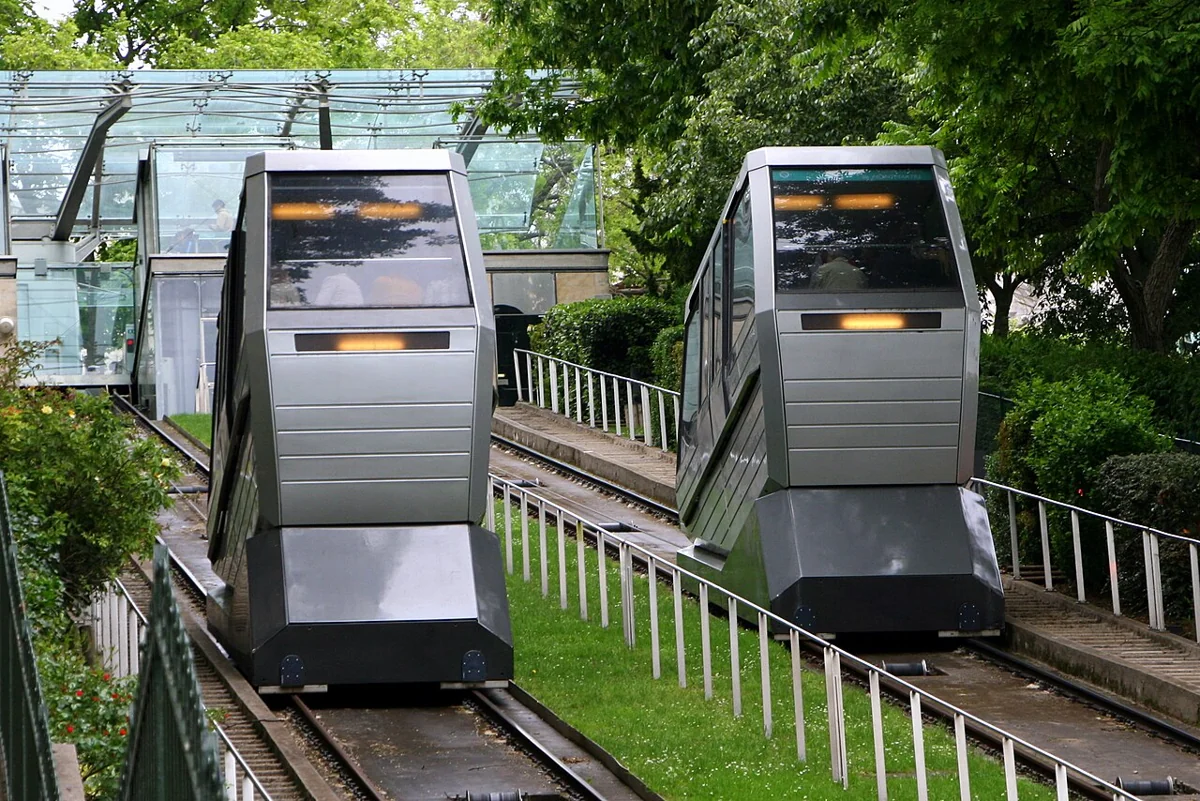
Not by itself. It avoids the main staircase, but connections to stations, exits, summit gradients and indoor access still need checking with RATP and venues.
Does everyone use the same Sacré-Cœur entrance?+
The basilica’s lift is at the rear, at 35 rue du Chevalier-de-la-Barre. The sanctuary lists this entrance as open from 6:30 am to 9:30 pm. Confirm lift operation if your visit depends on it. A narrow staircase leads to the dome.
Which parts of the Musée de Montmartre are wheelchair accessible?+
The lift in Hôtel Demarne serves the temporary exhibition and Suzanne Valadon’s studio apartment. Steps prevent wheelchair access to the permanent collections and adjoining garden.
Check on the day
Official and practical sources.
Hours, outages, works, prices and access conditions change. For any important requirement, check the relevant source and contact the venue directly.