Wine shop & wine bar
La Cave des Abbesses — Caves Bourdin
The Montmartre branch of Caves Bourdin combines wine advice, bottles to take away and a wine bar at the back of the shop.
43 rue des Abbesses · Paris 18e
Discover this place
Discover · Visit · Go out · Live
06 · Designers, food and souvenirs
Independent shops, crafts, fabrics, food and selected souvenirs tell a more tangible story of Montmartre than standard trinket stores. The district remains tied to studios, performance, fashion and food trades. Taking time to enter, ask where and how an object was made, then buying less but better is often the best way to bring something home and support the local economy.
Local businesses introduced by our partner Montmartre Connect, around Abbesses and rue Lepic. Each page includes an overview, contact details and useful links.
Wine shop & wine bar
The Montmartre branch of Caves Bourdin combines wine advice, bottles to take away and a wine bar at the back of the shop.
43 rue des Abbesses · Paris 18e
Discover this placeFlorist & floral design
Majid’s flower shop on rue Burq, with seasonal bouquets, bespoke arrangements and objects of curiosity.
4 rue Burq · Paris 18e
Discover this placeShops
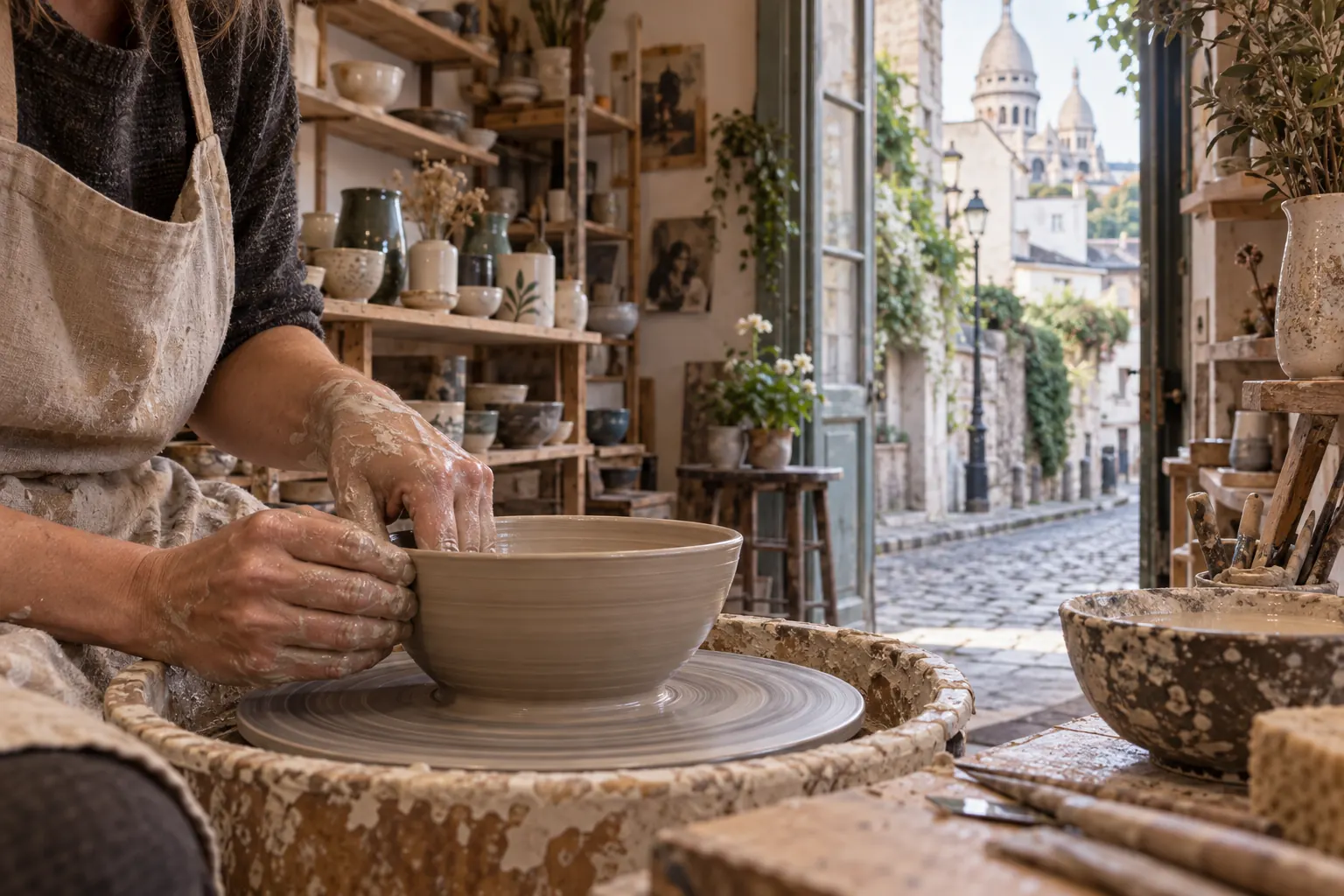
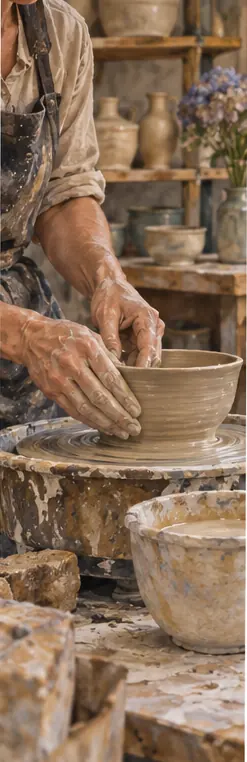
Ceramicists, feather workers, dressmakers, illustrators and designers continue skills long connected to art and performance. The Marché Saint-Pierre area remains a landmark for fabrics, while small studios appear along rue Ravignan, rue André-del-Sarte and around Abbesses. Hours may be irregular because a studio is also a workplace. Check the maker’s information and respect production time.
Shops
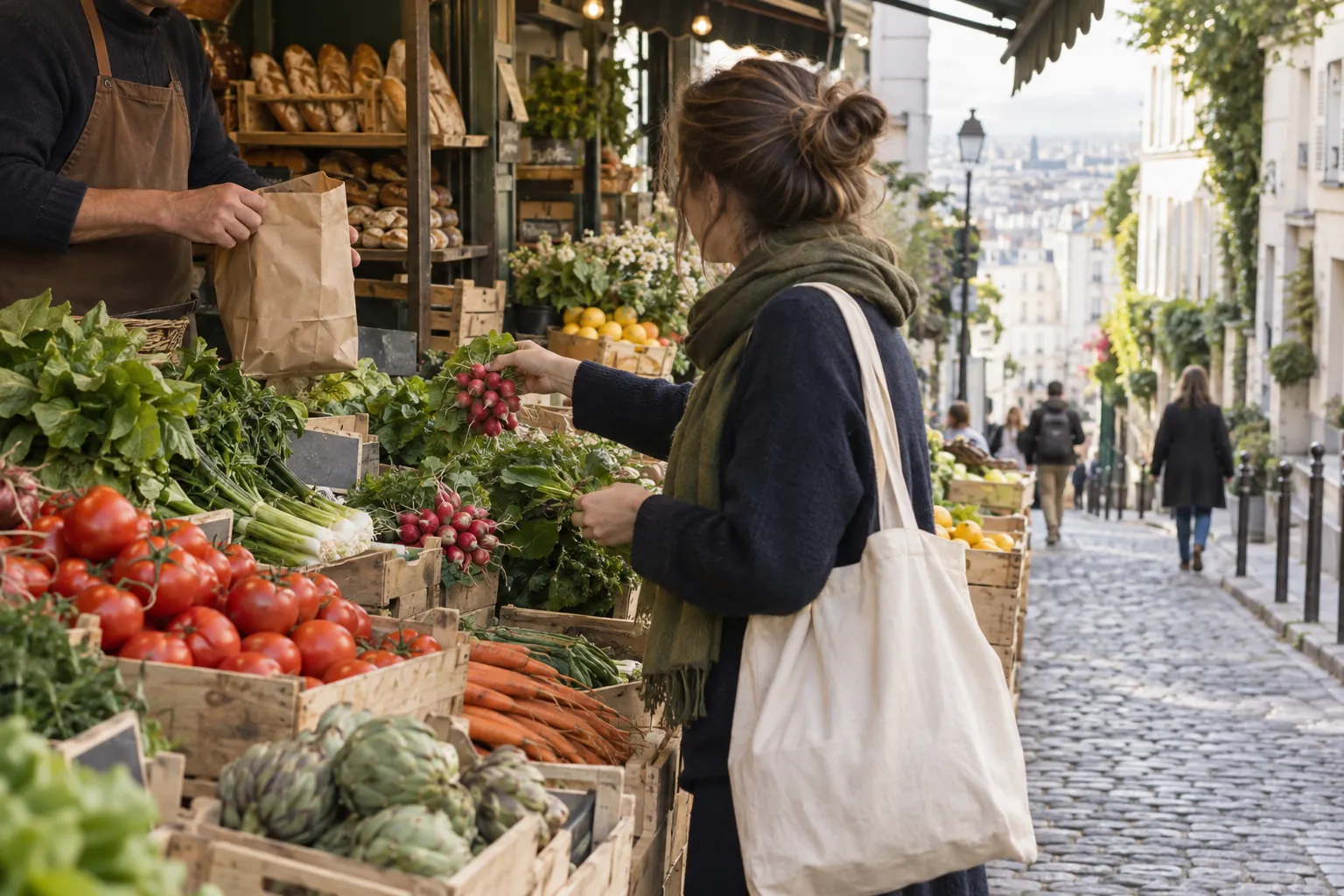
Cheesemongers, chocolate makers, pastry shops, wine merchants, bakers and grocers give shopping streets their daily rhythm. Fragile products need suitable transport, especially in summer, so ask before a long journey. A small tasting, seasonal product or speciality genuinely made in the workshop is more meaningful than packaging merely decorated with Montmartre. Remember customs rules when travelling outside the European Union.
Shops
To bring home a little Montmartre without settling for a generic trinket, look for a museum poster, an artist’s photograph, a small ceramic piece, an old book or a clearly sourced food product. Ask where it was made and compare quality. Cultural institutions often sell well-documented editions, while local makers offer small runs. A modest but thoughtful object holds the memory of a walk more effectively.
Shops
In a studio shop, look at materials, use and the work behind an object rather than the word “souvenir”. Ask whether the piece was designed and made there, how to care for it and how to carry it safely. Workshop hours may follow the rhythm of production: confirm opening before travelling and respect work areas that are not open to visitors.
Shops
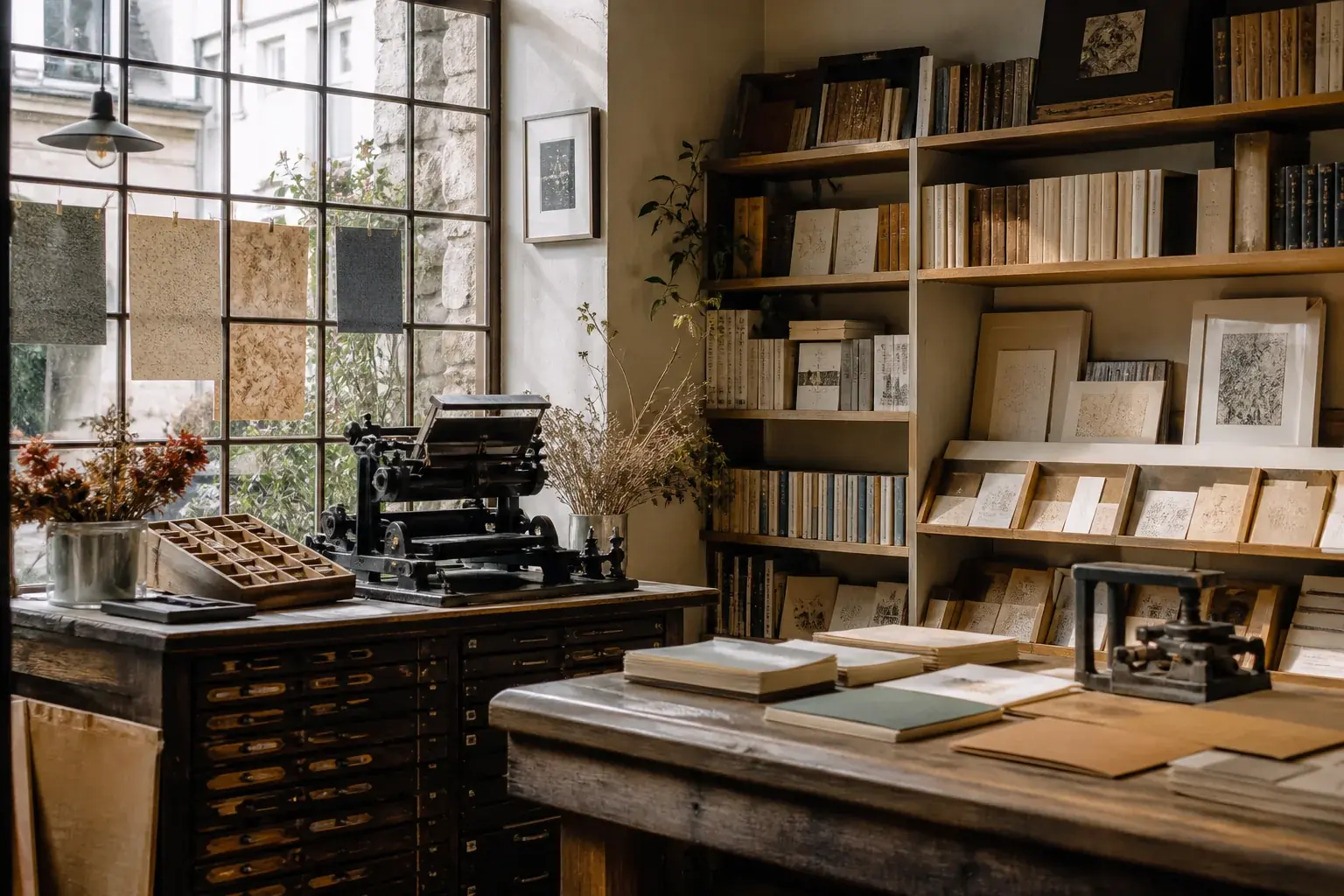
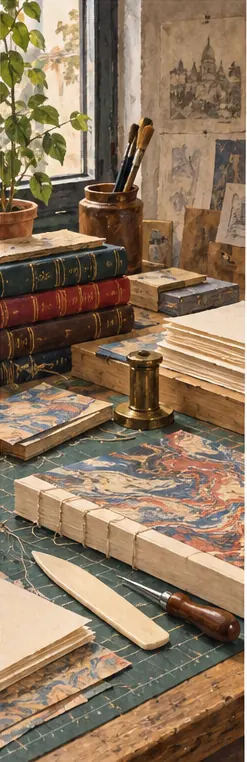
An independent bookshop or bindery opens another side of Montmartre: local history, notebooks, printed images and paper craft. Take time to distinguish a reproduction from an original print and ask about storage. For a gift, a bookseller’s or maker’s advice can be more useful than a hurried purchase beside a landmark.
Useful questions
These answers connect the section’s themes to practical decisions. For current hours, access and programmes, always return to the venue’s source.
Ask who designed it, where it was made and whether it belongs to an identified edition or small run. A bookshop, studio or museum shop can explain the origin of a book, image or object. A Sacré-Cœur picture on the packaging alone does not establish local craft.
It depends on the place. Some have open shops; others work by appointment, and parts of a studio may remain private. Check visiting hours and ask before photographing or touching work in progress.
Explore the guide →A book, protected print or small sturdy object travels more easily than a delicate pastry, fresh cheese or unpacked ceramic. Ask the seller about storage and packing, especially before a long journey.
Keep exploring
Move between topics to build a complete visit: a monument means more with its history, a walk improves with a good break and an evening naturally extends cultural discovery.
Understand more · choose well
A link to Montmartre can come from the maker, production, subject or shop location. Ask a few questions to understand the purchase and choose something that also suits your journey home.
Ask who designs, makes or assembles the object. “Sold in Montmartre” and “made in Montmartre” describe different things. For a handmade piece, check materials, care and lead time for commissions.
Bring dimensions, seam allowance and a colour reference. Compare price per metre, usable width and composition. Ask about shrinkage and returns for cut fabric; do not assume the same terms as a packaged product.
Agree on total price, technique, format, number of people and estimated time. Look at examples of the artist’s work and ask how to protect the finished piece for travel. A portrait made on site is an encounter as well as a souvenir.
Compare and decide
| Your choice | Plan for | Check this |
|---|---|---|
| Maker / craftsperson | Identify work or production | Ask where an object was made; a shop sign does not prove local manufacture |
| Neighbourhood shop | Everyday purchase or specialist shop | Mapping categories describe activity, not quality recommendations |
| Local service | Hairdresser, laundry, alterations and services | Confirm the service and appointment with the business |