Boulevard to hilltop · Guide 2026
Walk from Pigalle to Montmartre
Starting in Pigalle reveals the transition from entertainment boulevards to the narrower streets of the hill. The route climbs gradually through Abbesses, encounters theatre and cinema history, then reaches the summit. It avoids reducing Pigalle to a cliché and recognises the area as a busy, lived-in and active neighbourhood.
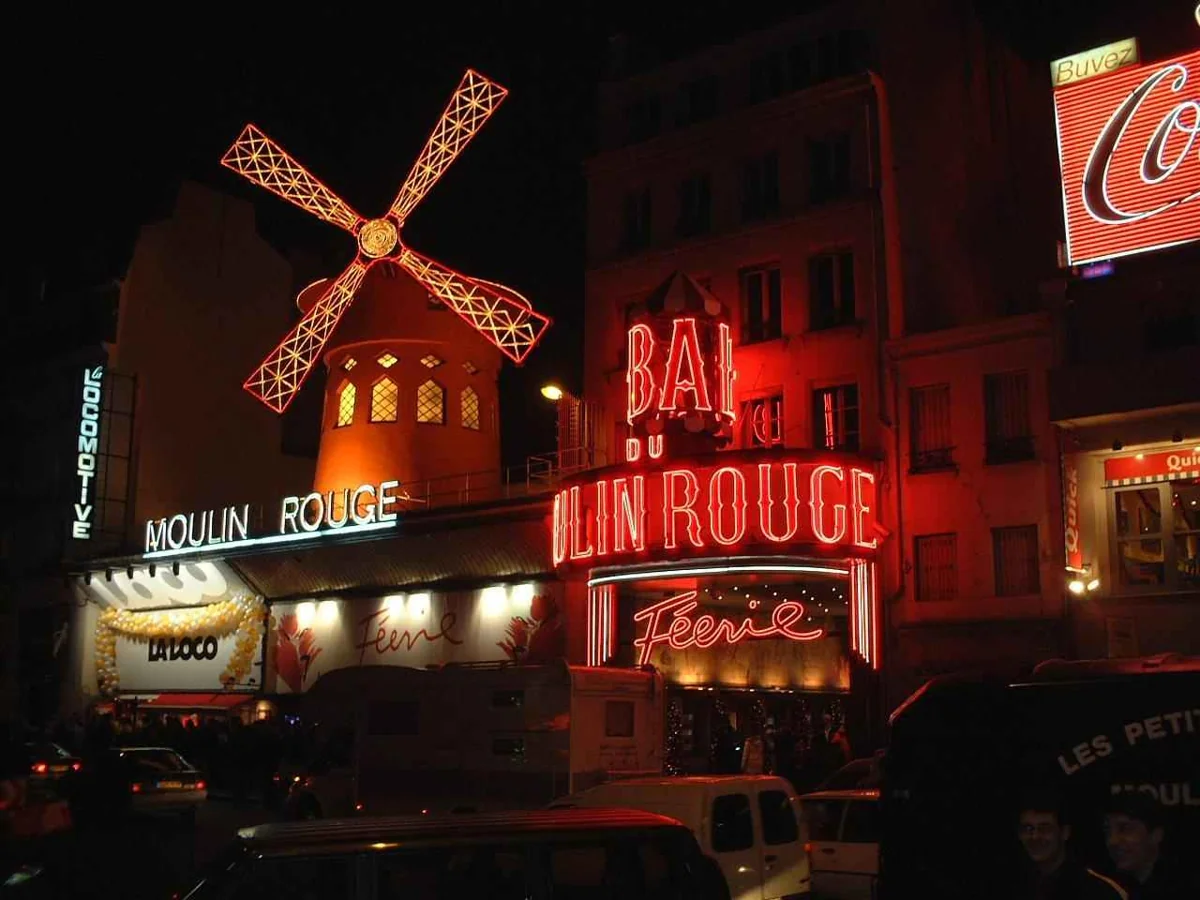
Date listed by the source: 2002-12. Resized and converted to WebP. This image does not establish the venue’s present condition.
The short answer
What matters before you go.
From place Pigalle, climb towards Abbesses through shopping streets, pause around Studio 28 and former venues, then continue to place Émile-Goudeau and the summit. To reduce effort, reverse the route: arrive via Lamarck–Caulaincourt and descend towards Pigalle.
Action plan
The route,
step by step.
Times and order are guideposts. Always adapt the visit to crowds, actual access and your group’s energy.
Place Pigalle and the boulevard
Begin by reading movement, entertainment façades and changes of use. Cross at designated crossings and do not photograph people as scenery.
Abbesses and shopping streets
The climb becomes more village-like in scale but remains busy. Keep pavements clear outside shops and the station.
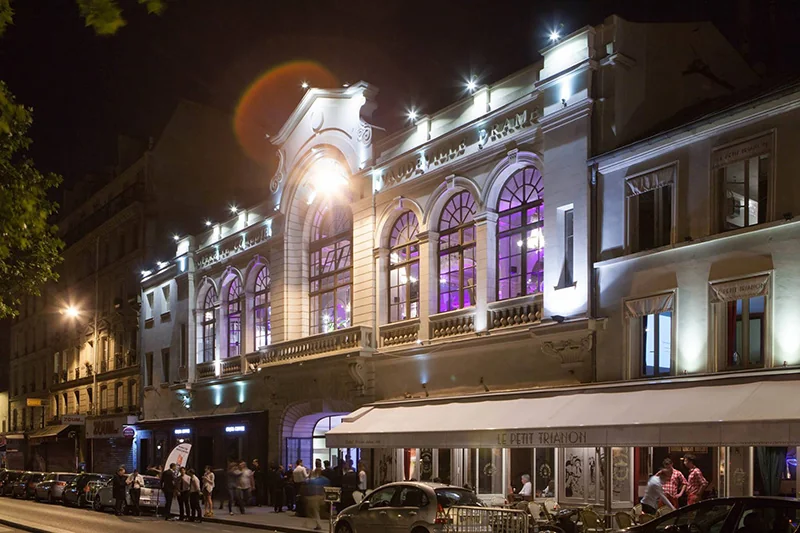
Studio 28 and cinema history
Check the official programme if you want to turn the stop into a screening. A film time will naturally change the rest of the route.
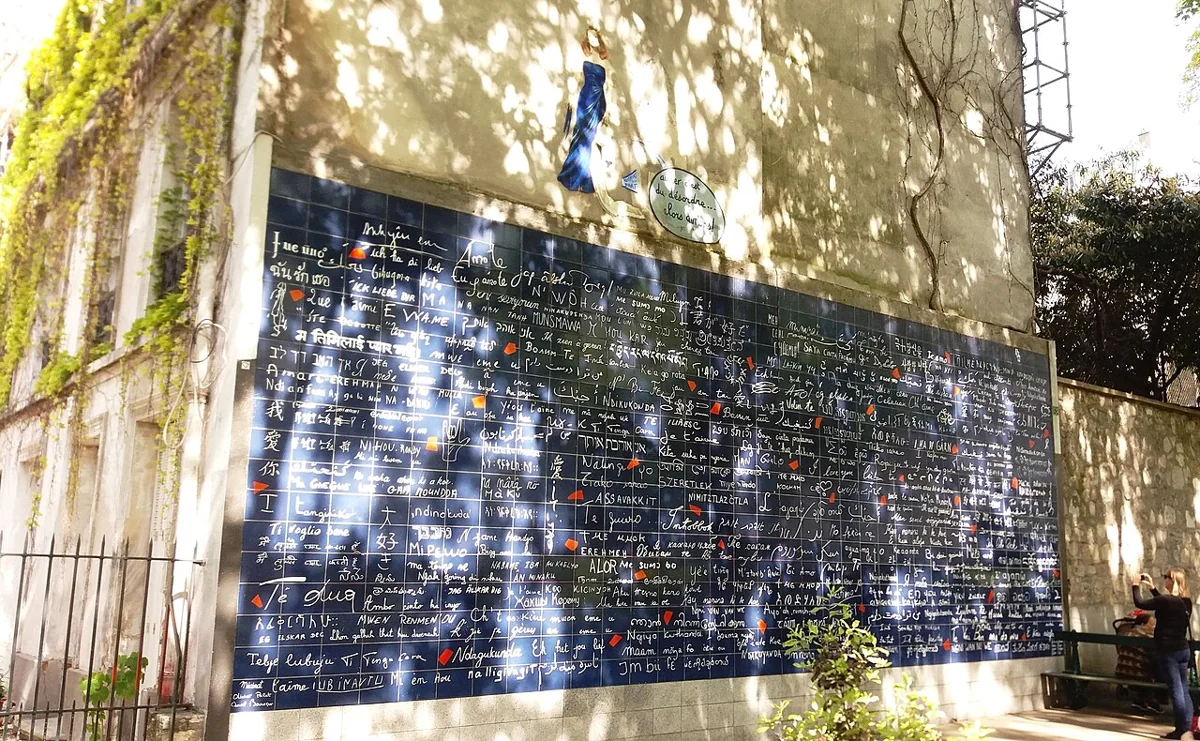
Émile-Goudeau then the summit
Connect artistic history with the terrain, then choose the forecourt, summit streets or northern descent according to time and crowds.
Understand more · choose well
Read the hill before choosing a street.
A short line on the map can combine steps, slopes and cobbles. Build a walk around an arrival point, a chosen ascent and an exit; this helps more than a list of sights to tick off.
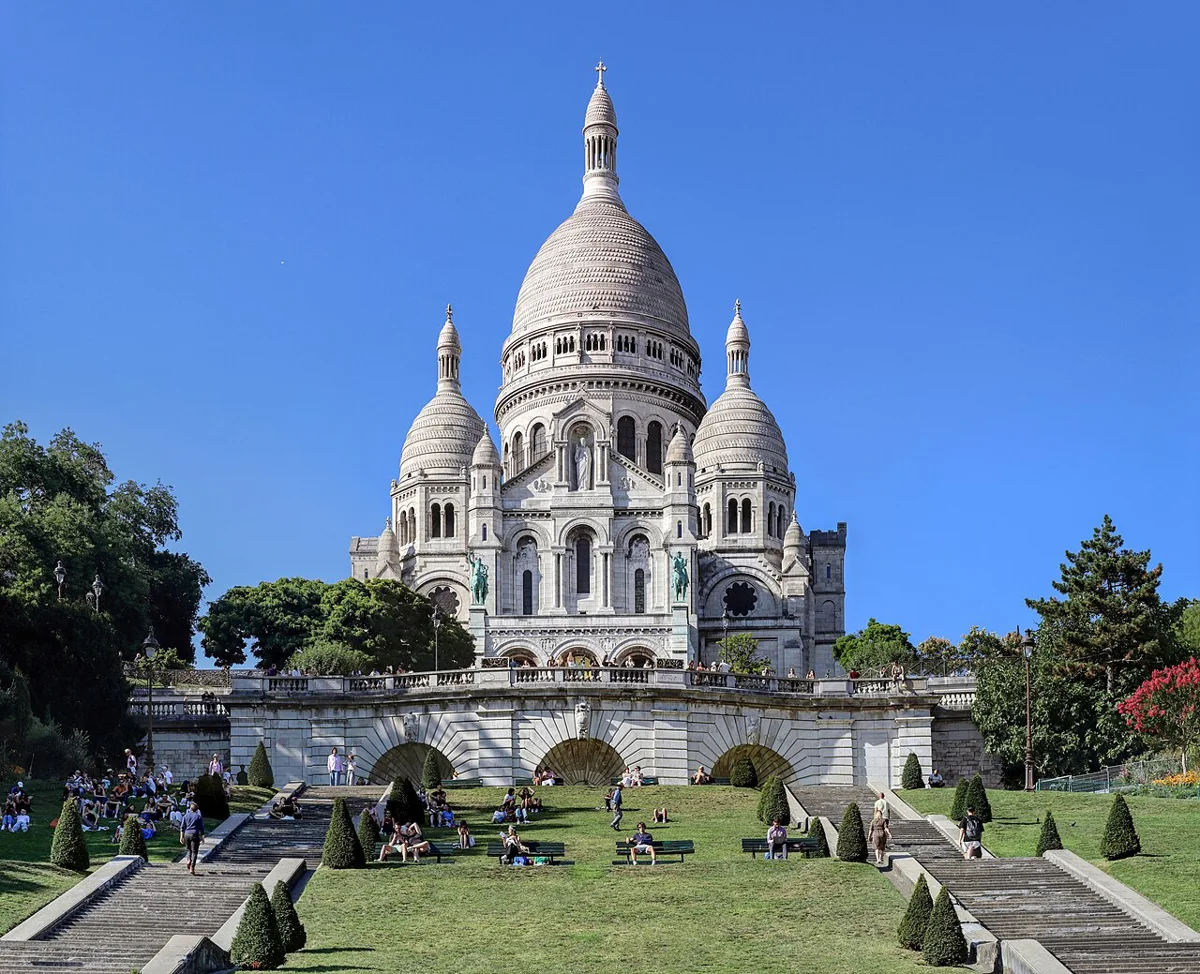
The summit: save your energy
Place du Tertre, rue Cortot and the Sacré-Cœur forecourt connect on foot. Crowds may slow progress. Keep an option to leave the busiest streets and avoid making the summit your last stop if you need a quick departure.
The northern side: another perspective
Rues de l’Abreuvoir, des Saules and Saint-Vincent reveal gardens, vines and façades. A quieter street is not necessarily flatter. Check the return route before descending and keep residential entrances clear.
The foot of the hill: a place to finish
Abbesses, Blanche and Anvers are separate landmarks. Choose an exit to suit the rest of your day, then check the actual journey on a transport map. For mobility requirements, verify each segment: a street without steps can still be difficult.
Look closer
Details that tell the story of a place
1921 · 2013
Le Louxor
Henri Zipcy designed the Louxor in 1921; Amédée Tiberti created its neo-Egyptian decoration. Following restoration, the cinema reopened in 2013 with a main auditorium named Youssef Chahine.
Look for. At the Barbès junction, view the façade motifs while keeping clear of traffic. The Louxor stands in the 10th arrondissement, on the edge of the 18th.
Le Louxor ↗
1822 · 1922
Théâtre de l’Atelier
Built in 1822 as Théâtre Montmartre, the building served as a cinema from 1914 to 1922. Charles Dullin then took over and named it after his company: l’Atelier.
Look for. Step back into the small square to read the façade. Compare the venue’s name with place Charles-Dullin, then choose a play from the current programme.
Bibliothèque nationale de France ↗1947
Les Trois Baudets
Jacques Canetti converted a former dance venue into the Théâtre des Trois Baudets, inaugurated on 15 December 1947. It helped foster the singer-songwriter tradition.
Look for. Compare this history of discovering performers with today’s programme. A venue can carry on a tradition by introducing new voices.
Productions Jacques Canetti ↗Useful trade-offs
What really changes the visit.
Look beyond the cliché
Cinemas, theatres, music, shops and homes tell a broader story than nightlife signs alone.
Choose the direction
Climbing from Pigalle better reveals the neighbourhood change; descending from Lamarck requires less effort.
Plan a screening
Check times, language version, accessibility and ticketing directly with the cinema.
Practical questions
Before confirming the route.
Which lines serve Pigalle?+
Pigalle is served by métro lines 2 and 12. Check traffic status and exits in the RATP app or website before setting out.
Can I walk this route in the evening?+
Yes, but the experience changes: footfall, lighting and venue hours become decisive. Plan the return journey and book any intended screening or visit.
Check on the day
Official and practical sources.
Hours, outages, works, prices and access conditions change. For any important requirement, check the relevant source and contact the venue directly.