Books and memory · Guide 2026
A literary walk through Montmartre
Literary Montmartre is more than a list of plaques or a single version of bohemia. Poets, novelists, journalists and songwriters lived, worked or simply observed the area at different times. This walk connects memorial places visible from the street with catalogues and digitised texts, helping distinguish a documented address from a repeated anecdote.
Date listed by the source: 2022-07-22. Resized and converted to WebP. This image does not establish the venue’s present condition.
The short answer
What matters before you go.
Begin at place Émile-Goudeau to set the context of studios and encounters, continue to rue Cortot and documentary venues, then pass allée des Brouillards before descending towards avenue Junot and Abbesses. Bring two short legally accessible extracts and read them in a square or café, never outside a private entrance.
Action plan
The route,
step by step.
Times and order are guideposts. Always adapt the visit to crowds, actual access and your group’s energy.
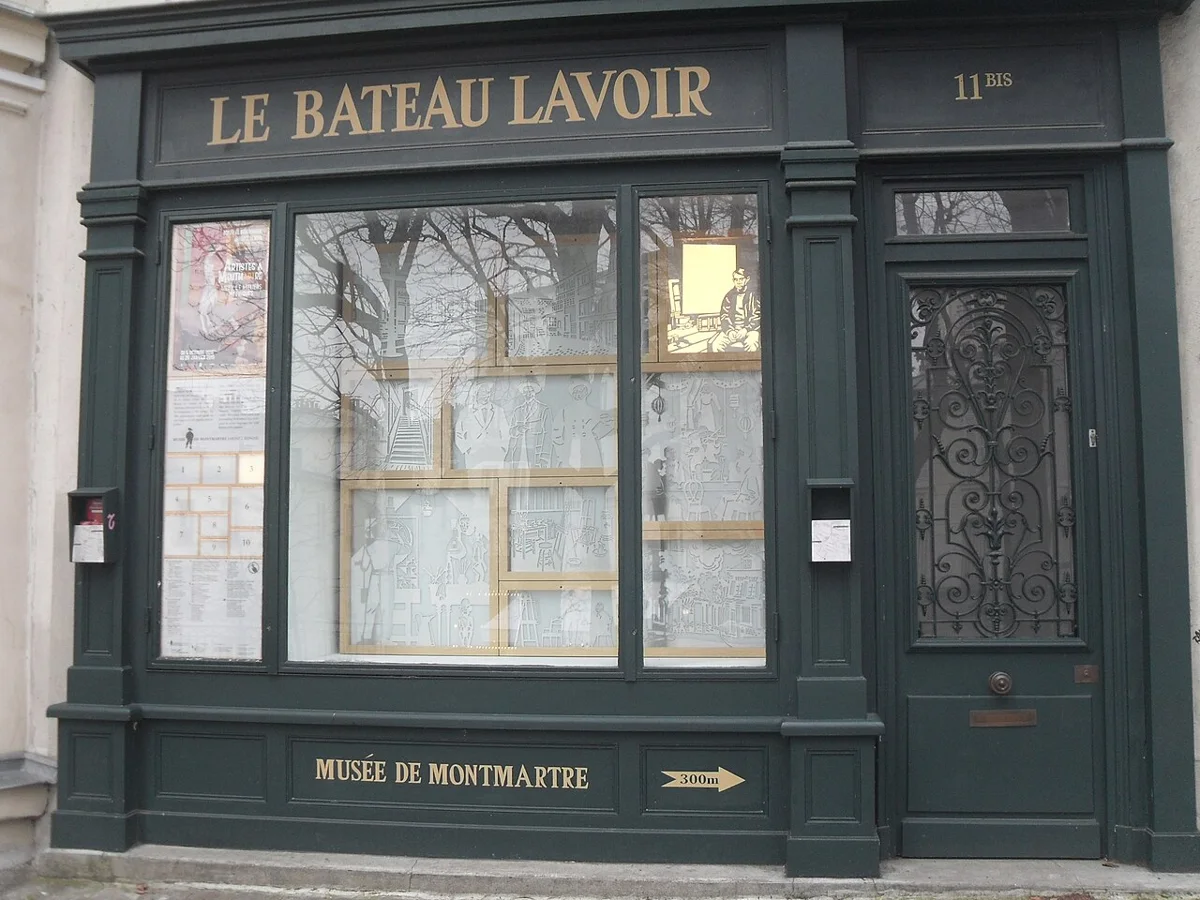
Émile-Goudeau and Bateau-Lavoir
Read the plaques and place the site within its changing history. The exterior is a memorial marker, not an open reconstruction of a literary studio.
Rue Cortot and documentation
The museum and historical resources return famous names to a working neighbourhood. Book a visit only if you want to extend the route.
Brouillards and Nerval
The passage evokes a literary landscape, but the houses remain private. Observe from public space and compare memory with the texts.
Junot, Abbesses and reading
Finish somewhere you can sit without obstructing others. One well-chosen page illuminates a street better than a collection of uncertain attributions.
Different places, different visiting rules
Museums: tickets and visiting days
Collections, gardens and exhibitions have different admission rules. Weekly closing days and free-entry conditions can also determine which museum to choose.
| Place and entrance | Tickets and visit | Calendar and access |
|---|---|---|
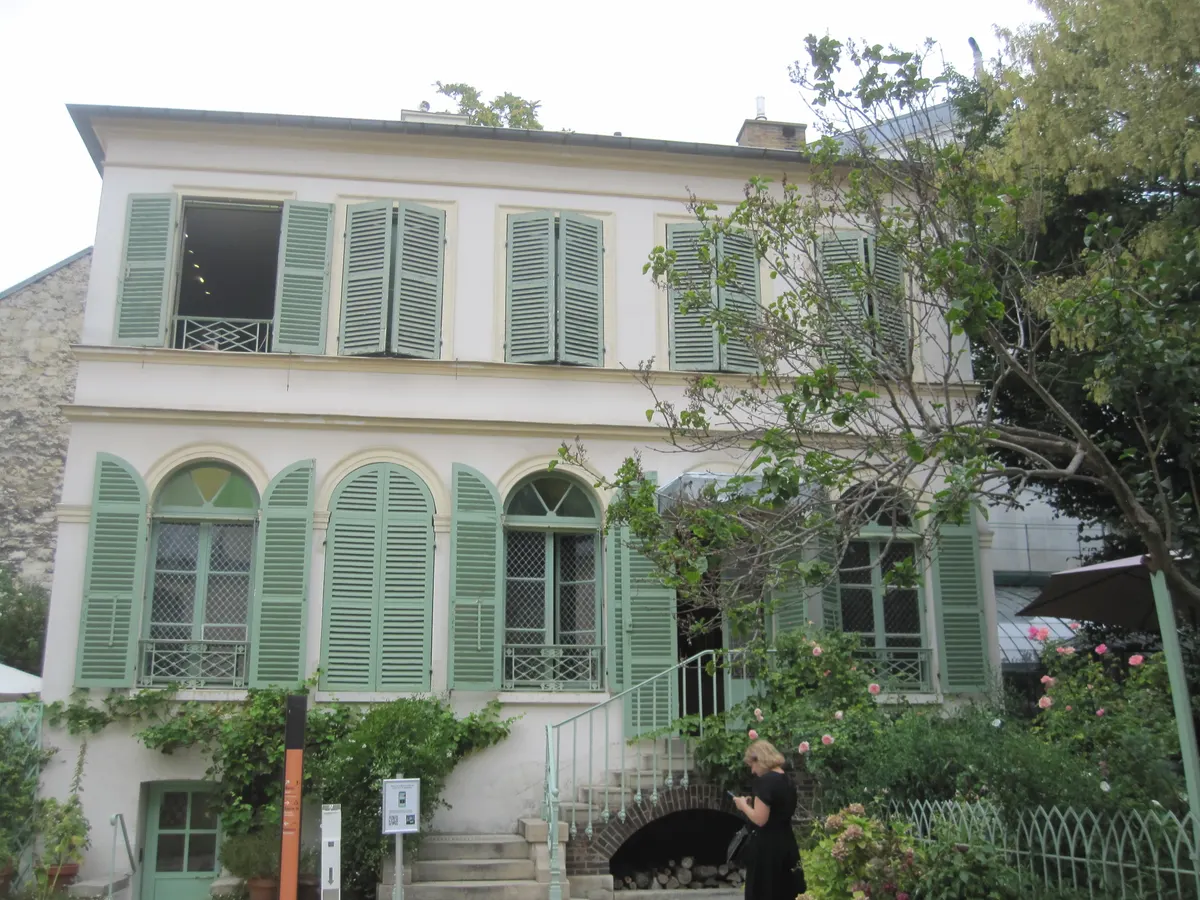
| Musée de Montmartre12 rue Cortot, 75018 Paris | The Jardins Renoir ticket covers the gardens and café, without the collections or exhibitions. It does not replace a museum admission ticket. | Normally open daily. October–February: last entry 5:15 pm, galleries close 5:45 pm, museum closes 6 pm. March–September: each of these times is one hour later.Venue conditions ↗ |
| Musée national Gustave Moreau14 rue de La Rochefoucauld, 75009 Paris | The joint Moreau–Henner ticket covers the permanent collections at both museums. Their ticket pages list seven days of validity. Admission to the permanent collections is free on the first Sunday of the month. Check opening and ticketing before visiting. | Closed Tuesdays. Galleries close 15 minutes before the museum. The visit involves three staircases and no lift: consider this before combining the two museums.Venue conditions ↗ |
| Musée de la Vie romantique16 rue Chaptal, 75009 Paris | The permanent collections are free; temporary exhibitions require a paid ticket. The museum occupies painter Ary Scheffer’s former home south of Pigalle, rather than at the hill’s summit. | Closed Mondays. Normally open Tuesday–Sunday, 10 am–6 pm; galleries are cleared at 5:50 pm. Choose a different day for this stop if planning a Monday cultural outing.Venue conditions ↗ |
Conditions checked on . These are regular visiting rules, not confirmation of same-day opening or available places. Public holidays and exceptional closures may affect your visit.
Understand more · choose well
From a famous address to artists’ work.
A studio, a garden and an artwork tell different stories. Connect addresses to collections, then take time to look at the paintings: the visit becomes more precise than a sequence of famous names.
Renoir: a garden as a starting point
Musée de Montmartre places Renoir’s stay here between 1875 and 1876. Today’s gardens invite connections between light, foliage and painting; they are not an untouched nineteenth-century setting.
Musée de Montmartre — museum and gardens ↗Valadon: recognise an artist in her own right
The museum describes her arrival on rue Cortot in 1912 with Maurice Utrillo and André Utter. Look at her works for their composition, figures and colour, rather than reducing her role to a model or a painter’s mother.
Musée de Montmartre — museum and gardens ↗Outside a former artists’ residence
A façade and plaque offer a landmark, not admission to studios. Choose a question to observe: how does light enter, where is the courtyard, how does the building fit the slope? Look for answers from public space.
Look closer
Details that tell the story of a place

1889 · 1970 · 1978
Bateau-Lavoir
After its purchase in 1889, the Bateau-Lavoir was converted into studios where Picasso and Juan Gris worked. Fire destroyed the wooden studios in 1970. They were rebuilt in 1978.
Look for. From place Émile-Goudeau, distinguish the memory of the old studios from today’s building. This workplace is not visited like a museum.
Ville de Paris · PLU bioclimatique, annexe X (PDF) ↗
1830
Musée de la Vie romantique
Ary Scheffer settled on rue Chaptal in 1830. His house and two studios formed a place of work and sociability in the Nouvelle Athènes district.
Look for. Distinguish house, courtyard and studios. This stop is in the 9th arrondissement: pair it with a Pigalle walk rather than a summit visit.
Musée de la Vie romantique ↗Useful trade-offs
What really changes the visit.
Prepare the texts
Download public-domain documents in advance; network coverage and archive interfaces vary.
Include women writers
BnF selections help broaden a story too often limited to a few male figures.
An address is not access
A former residence generally remains private; a plaque can be read without crossing a threshold.
Practical questions
Before confirming the route.
Which writers should I read first?+
Choose texts connected to the area through reliable catalogues: Nerval, Apollinaire, Dorgelès, Carco and Jeanne Landre offer very different perspectives.
Can writers’ homes be visited?+
Most are not museums. Check each place with its operator and treat a simple address as an exterior marker.
Check on the day
Official and practical sources.
Hours, outages, works, prices and access conditions change. For any important requirement, check the relevant source and contact the venue directly.