Away from crowds · Guide 2026
Discover quiet Montmartre
Quiet in Montmartre depends more on timing and behaviour than on a secret street. The northern slope breathes more easily early in the morning, while neighbouring streets can feel completely different. Walk without a speaker, stay in public space and treat doors, benches and steps as shared places rather than private scenery.
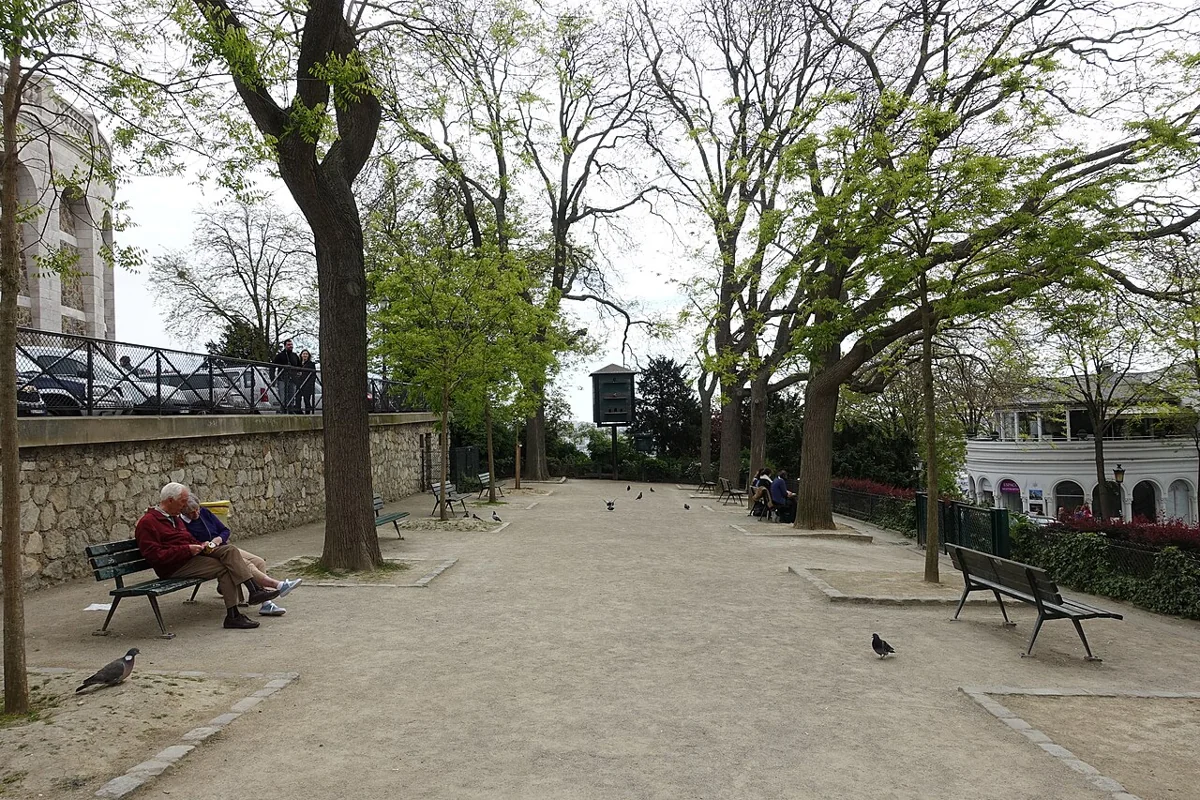
Date listed by the source: 2017-04-23 11:49. Resized and converted to WebP. This image does not establish the venue’s present condition.
The short answer
What matters before you go.
Arrive via Lamarck–Caulaincourt before 9 am, follow Caulaincourt and the network around rues du Mont-Cenis, Saint-Vincent, Cortot and the slopes towards Abbesses. Keep place du Tertre and the forecourt to the beginning or end only. Pedestrian Sundays can be pleasant but also attract more visitors; check current arrangements.
Action plan
The route,
step by step.
Times and order are guideposts. Always adapt the visit to crowds, actual access and your group’s energy.
Watch the neighbourhood open
Around Lamarck and Caulaincourt, cafés, bakers and services begin their day. Give way to people going to work and photograph atmosphere without targeting faces.
Use side streets
Approach Saint-Vincent and Cortot through lateral links rather than the most direct line. The detour is short and reveals walls, gardens and changing gradients.
Cross the summit without lingering
See Saint-Pierre and the forecourt, then continue before the main groups arrive. For a break, choose a small square or café where you are not obstructing a residential entrance.
Descend into everyday life
The descent towards Abbesses reveals shops, schools and residential streets. Slow down without taking the whole pavement and finish before the midday peak.
Understand more · choose well
Read the hill before choosing a street.
A short line on the map can combine steps, slopes and cobbles. Build a walk around an arrival point, a chosen ascent and an exit; this helps more than a list of sights to tick off.
The summit: save your energy
Place du Tertre, rue Cortot and the Sacré-Cœur forecourt connect on foot. Crowds may slow progress. Keep an option to leave the busiest streets and avoid making the summit your last stop if you need a quick departure.
The northern side: another perspective
Rues de l’Abreuvoir, des Saules and Saint-Vincent reveal gardens, vines and façades. A quieter street is not necessarily flatter. Check the return route before descending and keep residential entrances clear.
The foot of the hill: a place to finish
Abbesses, Blanche and Anvers are separate landmarks. Choose an exit to suit the rest of your day, then check the actual journey on a transport map. For mobility requirements, verify each segment: a street without steps can still be difficult.
Look closer
Details that tell the story of a place

1933
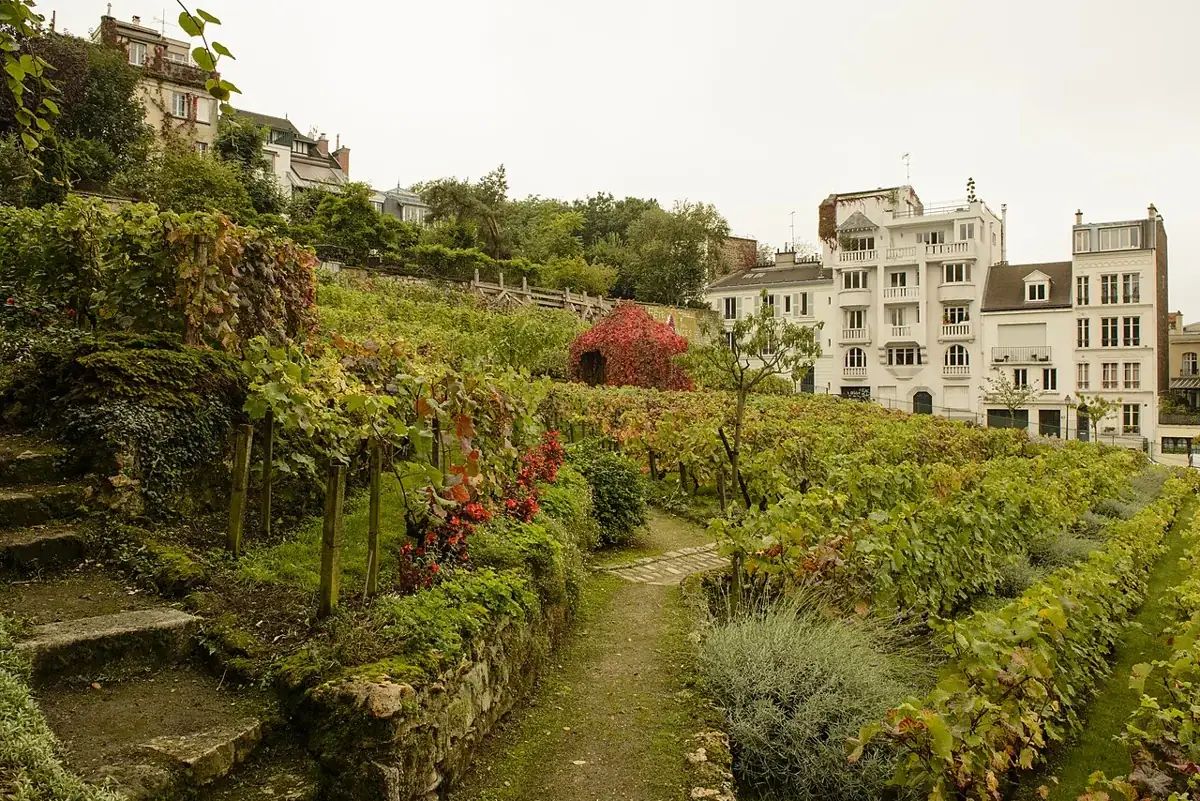
Clos Montmartre
Vines were replanted in 1933 after wine-growing declined on the hill. Today’s Clos is a revival, not an untouched medieval vineyard.
Look for. Follow the rows from rues des Saules and Saint-Vincent. To enter, find an authorised visit; seeing through the railings does not confer access.
Musée de Montmartre ↗
1831
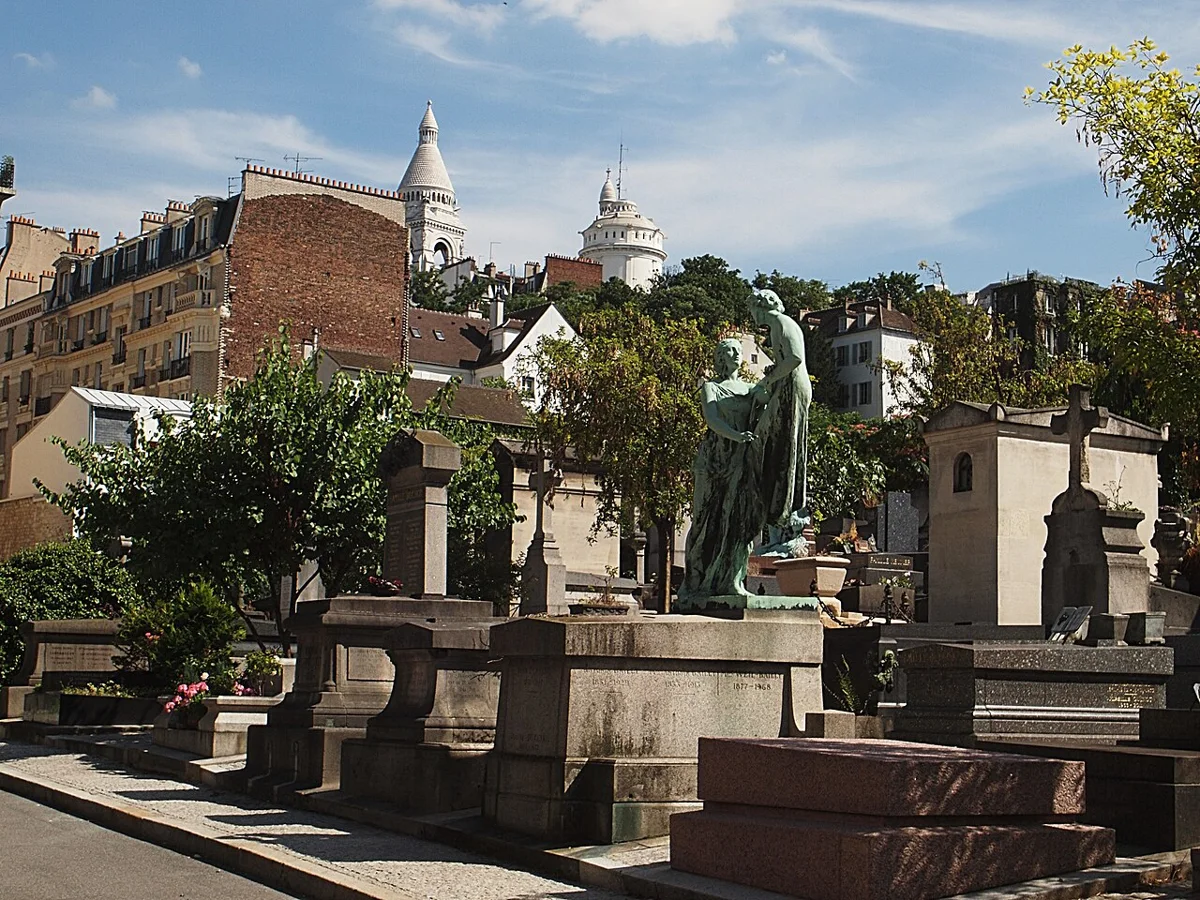
Cimetière de Saint-Vincent
Opened in 1831, Saint-Vincent preserves Restoration-style graves of Montmartre families, notably in division 11. It is separate from the larger cemetery near Blanche.
Look for. A family inscription, a sculpture and a chapel’s shape tell different stories. Read them without touching the monuments and give grieving families priority.
Ville de Paris ↗1772
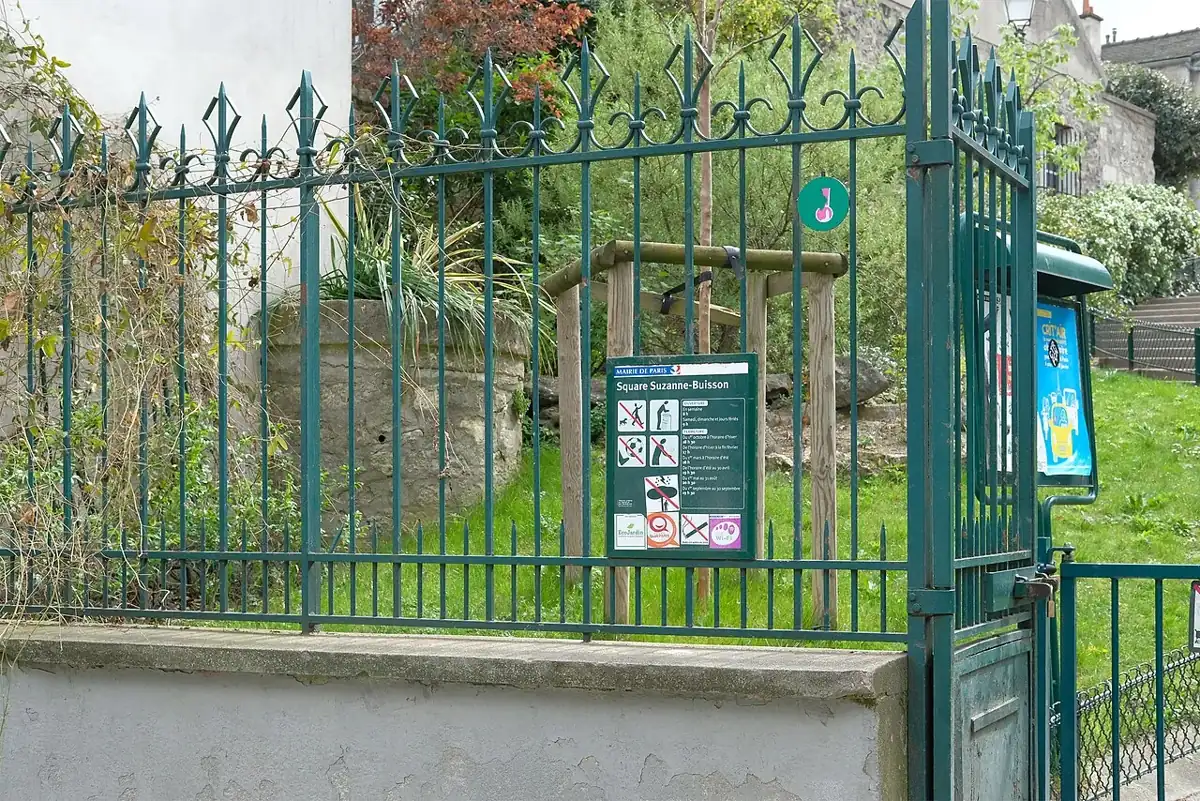
Square Suzanne-Buisson
The square occupies part of the former grounds of the Château des Brouillards, a pleasure house from 1772. Its name honours resistance fighter Suzanne Buisson, who died in deportation.
Look for. Follow the terraces to read the slope instead of expecting a flat garden. The Saint Denis statue also invites exploration of local legends.
Ville de Paris ↗Useful trade-offs
What really changes the visit.
Responsible photos
Do not place objects on vehicles or windows, never cross a gate and ask before photographing a person.
Noise
Keep voices low in residential streets, especially early in the morning, and use headphones.
Crowd plan
If a street is saturated, do not chase the same photograph as everyone else: change slope or take a break.
Practical questions
Before confirming the route.
Which day is quietest?+
No day is guaranteed: holidays, weather and events change flows. Early timing is generally more reliable than choosing a particular weekday.
Are there secret streets?+
Most streets are known and some are residential. Seek a more attentive way of visiting rather than a “secret spot”, and always remain in public space.
Check on the day
Official and practical sources.
Hours, outages, works, prices and access conditions change. For any important requirement, check the relevant source and contact the venue directly.