Another summit landmark · Guide 2026
Saint-Pierre: understanding the former abbey
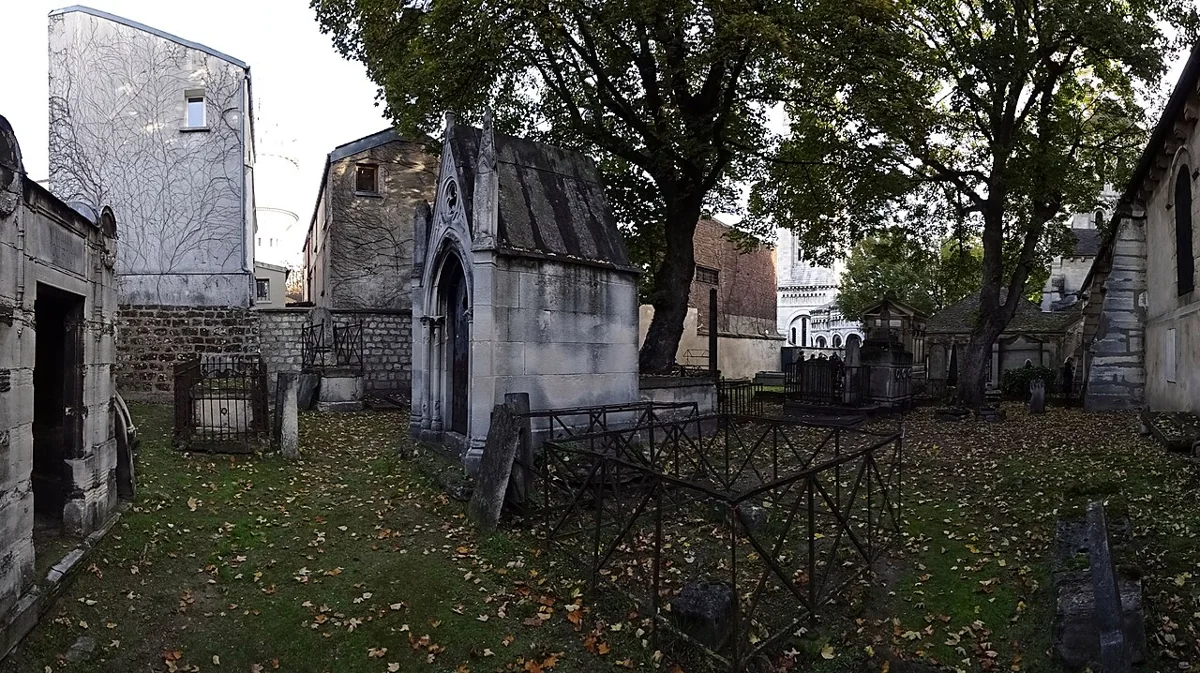
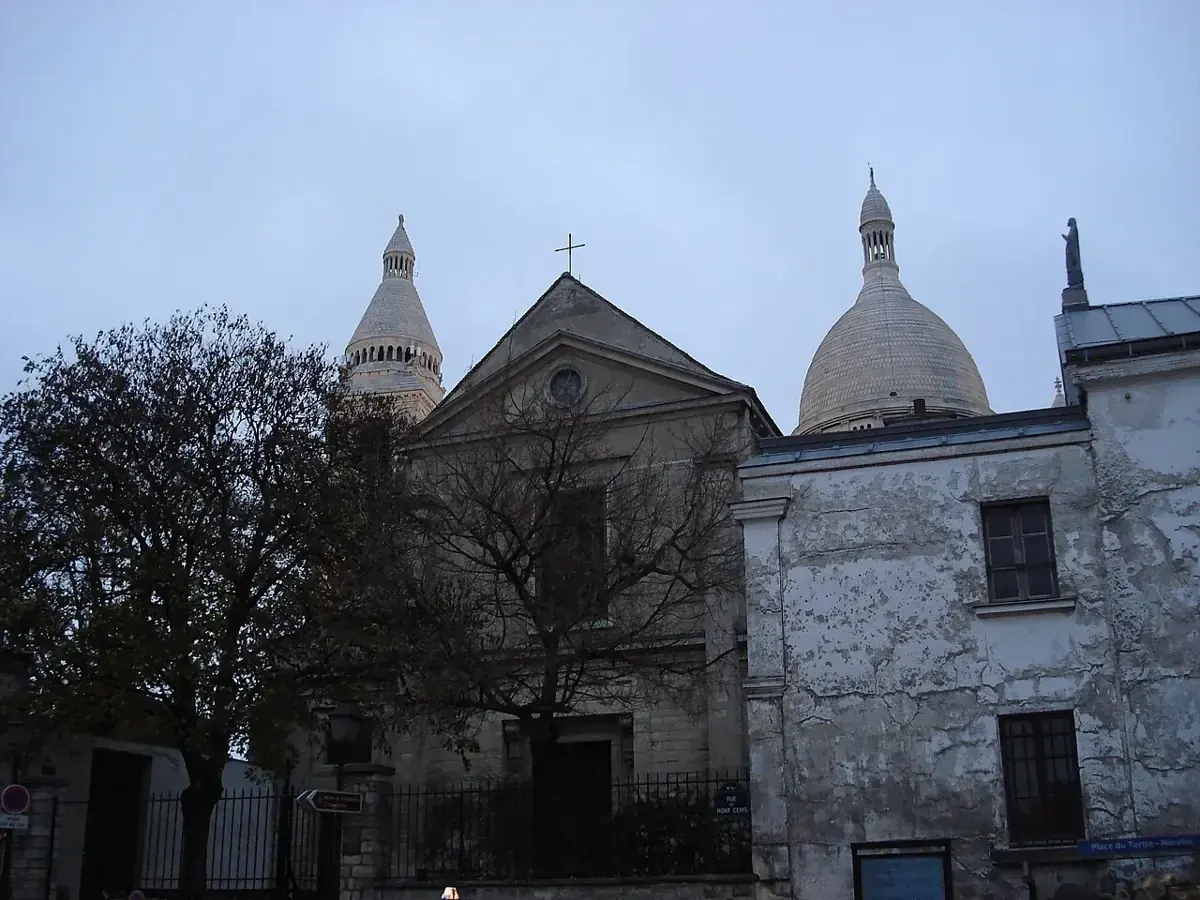
Saint-Pierre tells a different chronology from its neighbour, the basilica. According to the parish, the present church was begun in 1133 and consecrated in 1147. It served both parish and abbey. This helps explain the summit before continuing into artists’ history.
Date listed by the source: 2006-11-22. Resized and converted to WebP. This image does not establish the venue’s present condition.
The short answer
What matters before you go.
Locate the church at 2 rue du Mont-Cenis, then follow the parish audio tour in French or English. Choose two or three features to observe. Independent visits take place during opening hours and outside services; confirm a guided visit separately.
Action plan
The route,
step by step.
Times and order are guideposts. Always adapt the visit to crowds, actual access and your group’s energy.
Locate the monuments
Keep two separate chronologies in your notes. The foundation of the abbey and construction of Sacré-Cœur are not the same event. Look at the streets that separate and connect the venues.
Use precise interpretation
The official visiting page has audio tracks. Use headphones to avoid disturbing others. A place-specific explanation is more useful than an improvised architectural attribution.
Respect present uses
The building still hosts prayer and celebrations. If a service begins, pause sightseeing or return later. An old building also retains everyday functions.
Continue thoughtfully
Continue to Cortot for artists or the forecourt for a different period. In your notes, distinguish documented dates, religious traditions and personal impressions. The church’s age alone does not date every feature.
Understand more · choose well
Dates that help explain the façades.
History becomes clearer when the former village, the growth of Paris and the construction of monuments are kept distinct. These dated landmarks put what you see in context without reducing the hill to a single legend.
1860: a change of territory
The Paris Archives list Montmartre among the communes annexed in 1860. Compare old plans with present addresses to understand the streets: a neighbourhood name, a former commune and an arrondissement do not describe exactly the same territory.
Archives de Paris — communes annexées ↗1875 and 1919: two distinct moments
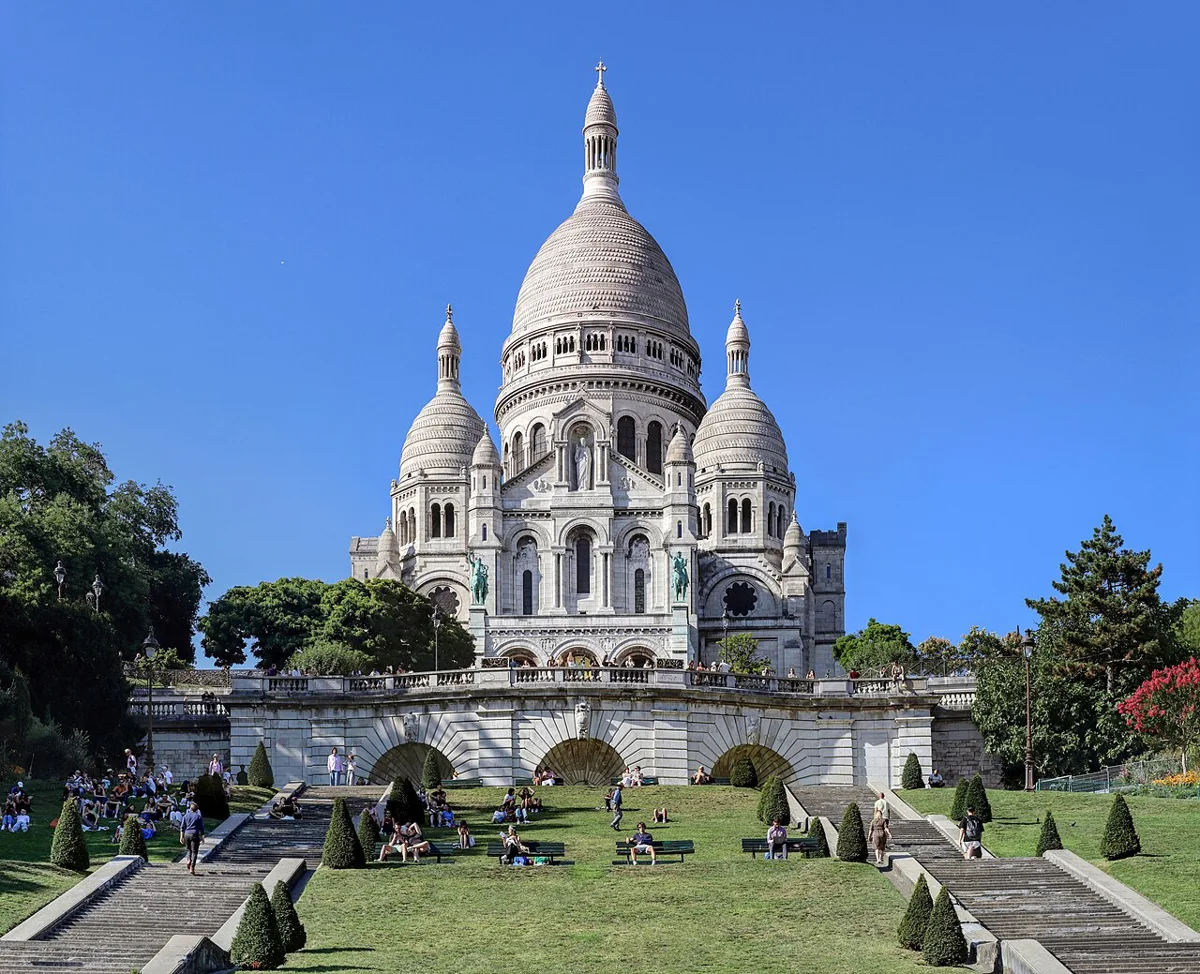
The sanctuary dates the laying of Sacré-Cœur’s foundation stone to 1875 and its consecration to 16 October 1919. Paul Abadie’s Romano-Byzantine design explains the domes: despite its silhouette, this is not a medieval church.
Sacré-Cœur — our history ↗A photograph, a period
Eugène Atget’s view of rue de la Bonne, dated between 1900 and 1901 on Commons, is held by the BnF. Compare building volumes, walls and perspective rather than expecting a perfectly matching before-and-after view: framing and street level may differ.
Eugène Atget — notice Commons / collection BnF ↗- 1860Montmartre annexed to Paris
- 1875Sacré-Cœur foundation stone
- 1919Basilica consecration
- 1934First harvest of the replanted vineyard
Sources: Paris Archives, the sanctuary’s history and the City’s vineyard listing. Dates mark separate events, not continuous construction. Harvest source ↗
Look closer
Details that tell the story of a place

1147 · 1954 · 1980
Église Saint-Pierre de Montmartre
Consecrated in 1147, the church combines antique columns, stained glass by Max Ingrand (1954) and bronze doors by Tomaso Gismondi (1980).
Look for. Compare stone, glass and bronze: this medieval building also contains modern work. Look at the doors before entering, then at the stained-glass light, respecting services.
Diocèse de Paris ↗1894–1904
Église Saint-Jean de Montmartre
The heritage record dates construction to 1894–1904 and identifies architect Anatole de Baudot and engineer Paul Cottancin.
Look for. From place des Abbesses, compare this façade with Saint-Pierre at the summit. The pairing reveals two periods of the neighbourhood while keeping the churches distinct.
Ministère de la Culture — POP ↗
1923 · 475 m²
Basilique du Sacré-Cœur
Inaugurated in 1923, the choir mosaic covers 475 m². Its creators are Olivier Merson, H. M. Magne and R. Martin.
Look for. Find the central figure dressed in white, then the surrounding groups. Treat this observation separately from the outdoor panorama and the climb to the dome.
Basilique du Sacré-Cœur ↗Useful trade-offs
What really changes the visit.
Check sessions
Parish pages describe guided visits and booking. Confirm your session; a recurring announcement does not guarantee every occurrence.
Look at fewer things, more closely
Select features explained by the official resource. This creates a coherent visit even in a short time slot.
Practical questions
Before confirming the route.
Is Saint-Pierre the same as Sacré-Cœur?+
No: they are neighbouring buildings with different histories and visiting rules.
Can I sightsee during Mass?+
The parish lists independent visits outside services. Check the calendar before coming.
Is there English interpretation?+
Yes, the visiting page also offers English audio; guided visits have separate arrangements.
Check on the day
Official and practical sources.
Hours, outages, works, prices and access conditions change. For any important requirement, check the relevant source and contact the venue directly.