Collections and exhibitions · Guide 2026
Which museum should you choose in Montmartre?
The word museum covers several experiences: neighbourhood history, one artist’s world, singular art or reflection on images. Choosing by subject creates a coherent visit. The current exhibition matters more than a general ranking or a façade photograph.
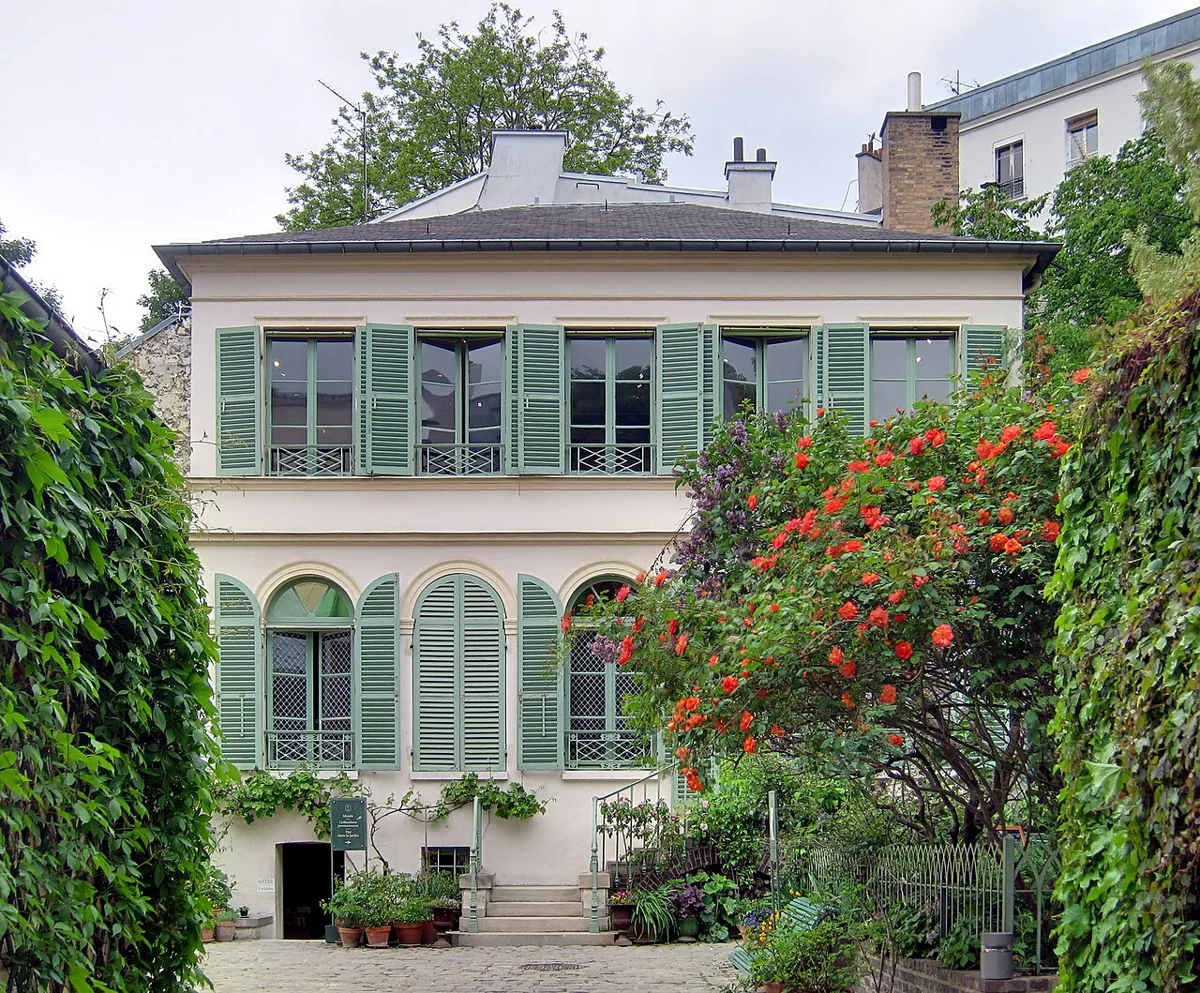
Date listed by the source: 2013-08-22 16:05. Resized and converted to WebP. This image does not establish the venue’s present condition.
The short answer
What matters before you go.
Musée de Montmartre helps explain the neighbourhood and its artists. Dalí Paris presents a collection devoted to Salvador Dalí. Halle Saint-Pierre focuses on art brut, outsider and singular art; LE BAL explores documentary images. Do not assume gardens, talks and exhibitions use the same ticket.
Compare visits by subject and location
| Option | Useful for | Check before choosing |
|---|---|---|
| Musée de Montmartre | Neighbourhood history and artistic life | Rue Cortot: choose a ticket covering the spaces you want |
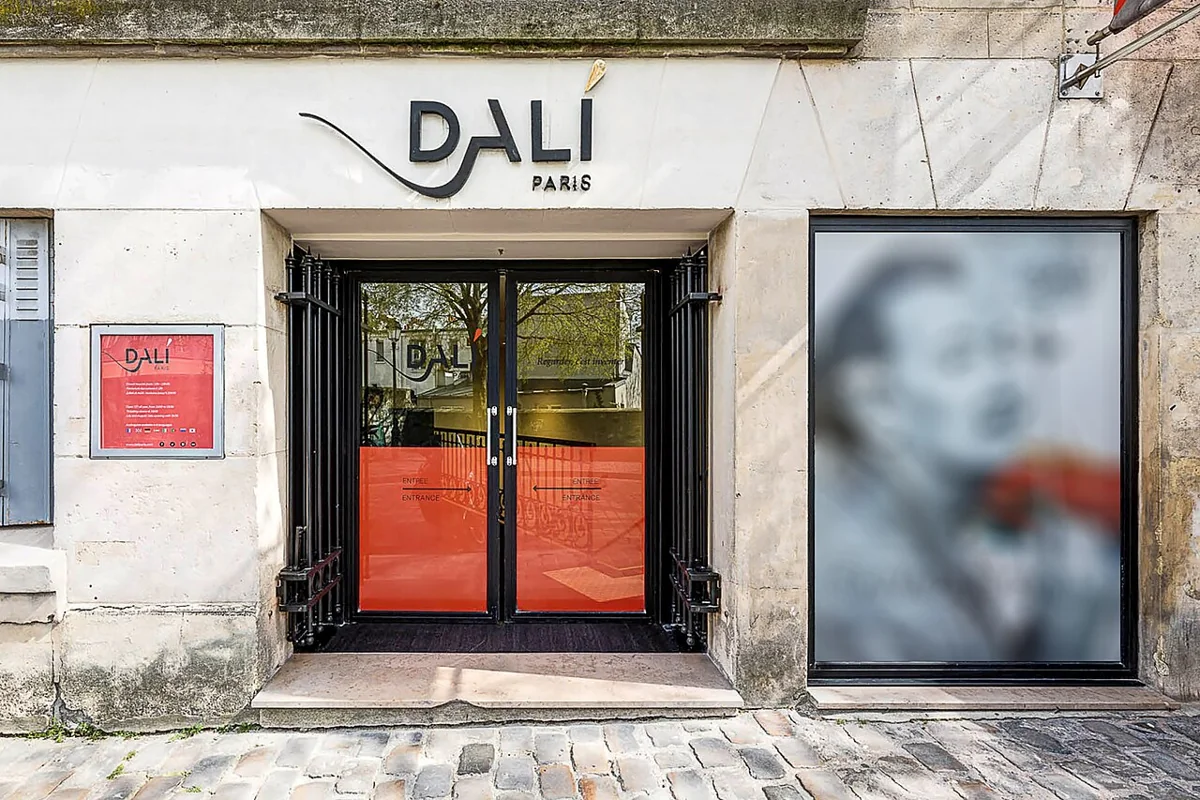
| Dalí Paris | Dalí’s world and a private collection | Rue Poulbot, near place du Tertre |
| Halle Saint-Pierre | Art brut, outsider and singular art | At the foot of the hill; check the current exhibition |
| LE BAL | Documentary images | Near place de Clichy; talk ticket separate from exhibition admission |
Action plan
The route,
step by step.
Times and order are guideposts. Always adapt the visit to crowds, actual access and your group’s energy.
Choose a question
Do you want to understand studios, discover surrealist sculpture or examine how a photograph constructs a story? Pick a priority before comparing venues. Selecting for content helps you read the works.
Compare admission
Check collections, exhibition, gardens and interpretation. At Musée de Montmartre, gardens-only and full admission are different choices. BAL LAB events do not include the exhibition: check the separate times for both activities.
Organise the geography
Connect summit venues with Cortot and Poulbot, the Halle with place Saint-Pierre and LE BAL with place de Clichy. All four involve extra travel; pick one main venue and a second only when the subjects complement each other.
Prepare for comfort
Check step-free entry, luggage conditions and interpretation. One building’s arrangements do not apply to others. With children, seek an activity advertised for their age rather than inferring a family programme from a garden.
Different places, different visiting rules
Museums: tickets and visiting days
Collections, gardens and exhibitions have different admission rules. Weekly closing days and free-entry conditions can also determine which museum to choose.
| Place and entrance | Tickets and visit | Calendar and access |
|---|---|---|
| Musée de Montmartre12 rue Cortot, 75018 Paris | The Jardins Renoir ticket covers the gardens and café, without the collections or exhibitions. It does not replace a museum admission ticket. | Normally open daily. October–February: last entry 5:15 pm, galleries close 5:45 pm, museum closes 6 pm. March–September: each of these times is one hour later.Venue conditions ↗ |
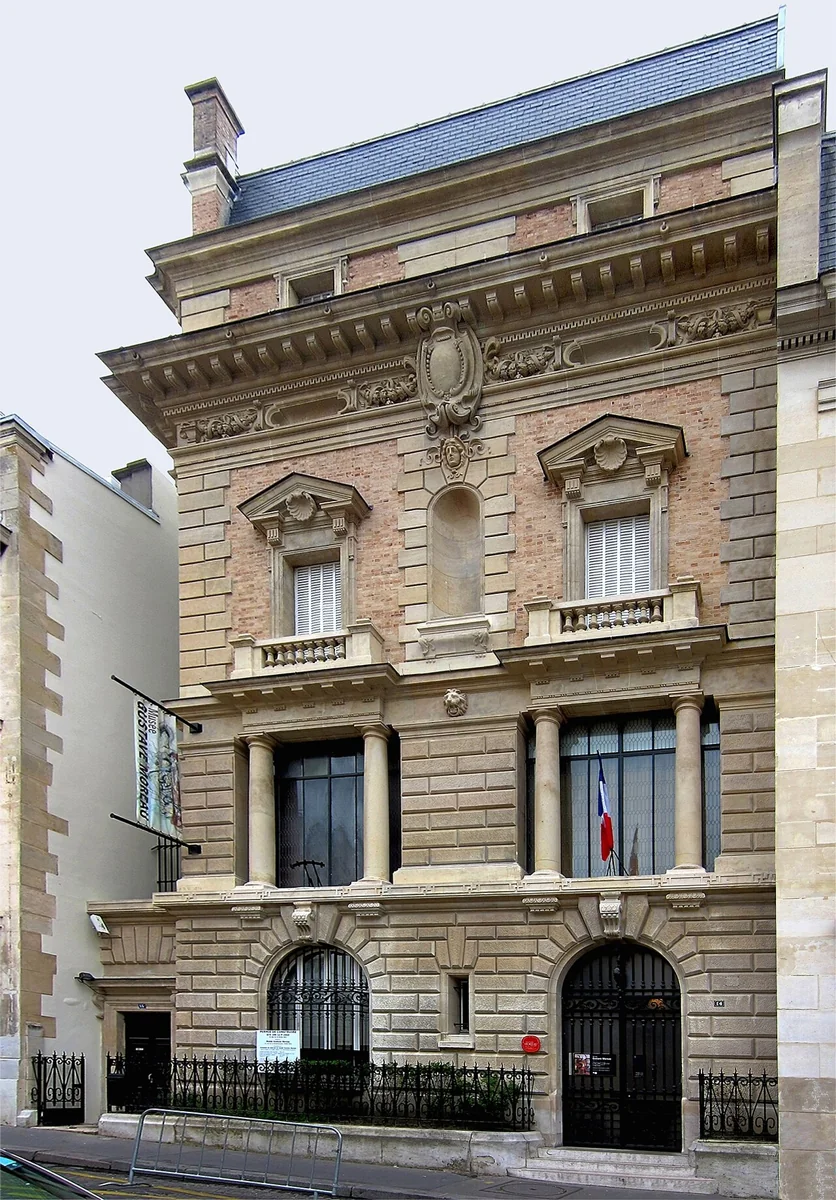
| Musée national Gustave Moreau14 rue de La Rochefoucauld, 75009 Paris | The joint Moreau–Henner ticket covers the permanent collections at both museums. Their ticket pages list seven days of validity. Admission to the permanent collections is free on the first Sunday of the month. Check opening and ticketing before visiting. | Closed Tuesdays. Galleries close 15 minutes before the museum. The visit involves three staircases and no lift: consider this before combining the two museums.Venue conditions ↗ |
| Musée de la Vie romantique16 rue Chaptal, 75009 Paris | The permanent collections are free; temporary exhibitions require a paid ticket. The museum occupies painter Ary Scheffer’s former home south of Pigalle, rather than at the hill’s summit. | Closed Mondays. Normally open Tuesday–Sunday, 10 am–6 pm; galleries are cleared at 5:50 pm. Choose a different day for this stop if planning a Monday cultural outing.Venue conditions ↗ |
Conditions checked on . These are regular visiting rules, not confirmation of same-day opening or available places. Public holidays and exceptional closures may affect your visit.
Understand more · choose well
From a famous address to artists’ work.
A studio, a garden and an artwork tell different stories. Connect addresses to collections, then take time to look at the paintings: the visit becomes more precise than a sequence of famous names.
Renoir: a garden as a starting point
Musée de Montmartre places Renoir’s stay here between 1875 and 1876. Today’s gardens invite connections between light, foliage and painting; they are not an untouched nineteenth-century setting.
Musée de Montmartre — museum and gardens ↗Valadon: recognise an artist in her own right
The museum describes her arrival on rue Cortot in 1912 with Maurice Utrillo and André Utter. Look at her works for their composition, figures and colour, rather than reducing her role to a model or a painter’s mother.
Musée de Montmartre — museum and gardens ↗Outside a former artists’ residence
A façade and plaque offer a landmark, not admission to studios. Choose a question to observe: how does light enter, where is the courtyard, how does the building fit the slope? Look for answers from public space.
Look closer
Details that tell the story of a place
1660 · 1680 · 1960
Musée de Montmartre
Founded in 1960, the museum combines the Bel-Air house (1660), housing permanent collections, and the hôtel Demarne (1680), hosting temporary exhibitions.
Look for. Follow the changes of building rather than looking for a single main gallery. Leave time for the gardens between neighbourhood history and the studios.
Musée de Montmartre ↗1895
Musée national Gustave Moreau
In 1895, Moreau commissioned Albert Lafon to turn his house into a museum. A spiral staircase connects the large north-lit studios.
Look for. Compare the scale of the domestic rooms and studios. Observe how light affects the works; plan access to the upper floors separately.
Musée Gustave Moreau ↗
1868 · 1986
Halle Saint-Pierre
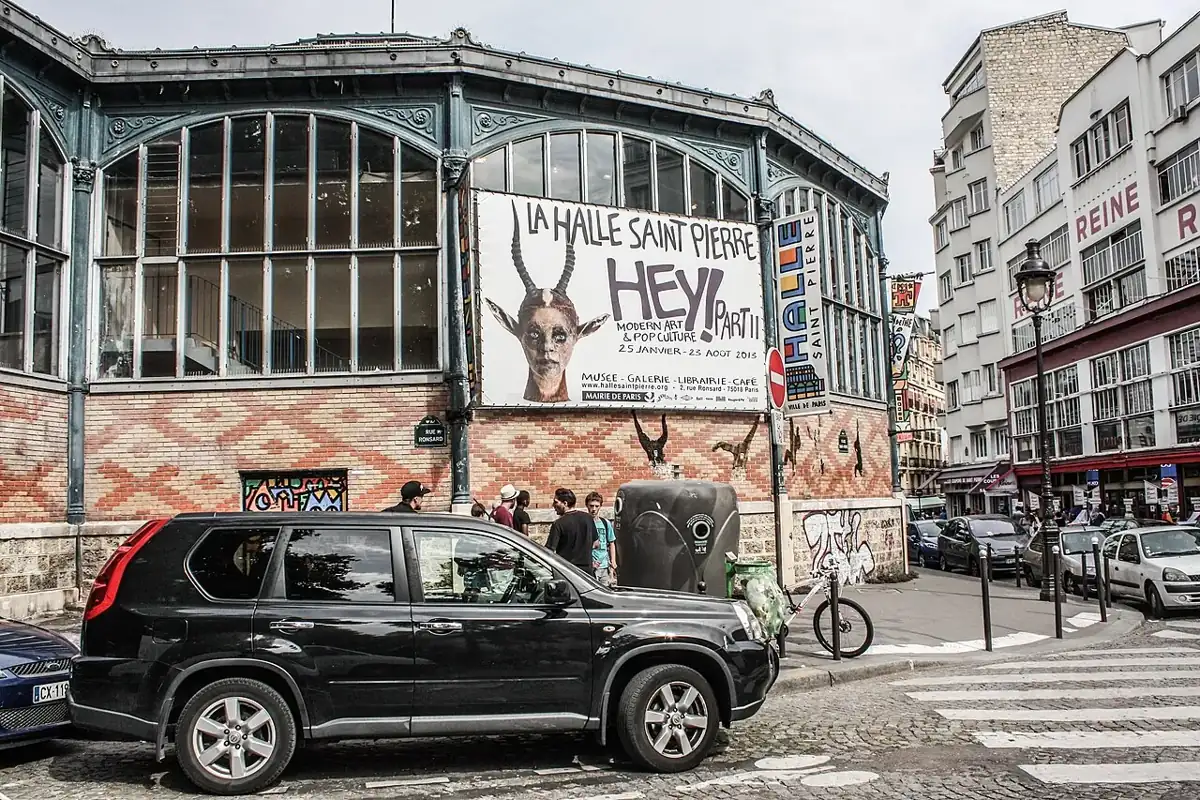
Inaugurated on 2 January 1868, this hall first housed a covered market, disused from 1921. It became a cultural venue in 1986.
Look for. Compare the hall’s frame with the spaces an exhibition needs. The building and the works on display belong to two histories worth reading together.
Conseil de Paris · 2025 DAC 403 (PDF) ↗1830
Musée de la Vie romantique
Ary Scheffer settled on rue Chaptal in 1830. His house and two studios formed a place of work and sociability in the Nouvelle Athènes district.
Look for. Distinguish house, courtyard and studios. This stop is in the 9th arrondissement: pair it with a Pigalle walk rather than a summit visit.
Musée de la Vie romantique ↗2010
LE BAL
Opened to the public in 2010, LE BAL is devoted to the document-image: photography, video and film question representations of the contemporary world.
Look for. When viewing a photographic series, distinguish subject, framing and image order. Ask what the sequence reveals that a single photograph cannot.
CNAP · Rapport d’activité 2023, p. 25 (PDF) ↗Useful trade-offs
What really changes the visit.
Check exhibition dates
An old exhibition page may remain online. Compare start and finish with your visit date, then open tickets from the venue website.
Leave time for the works
Choose a few works or questions to explore. A break between venues is more useful than a route allowing only a few minutes in each gallery.
Practical questions
Before confirming the route.
Are all four venues at the summit?+
No. The Halle is at the foot of the hill and LE BAL near place de Clichy; this changes your route too.
Is there a joint ticket?+
This guide has no verified joint ticket. Check each ticket office and any advertised partnerships.
Which museum should I choose in rain?+
Choose by programme first. Galleries can anchor your visit, but gardens and journeys remain outdoors.
Check on the day
Official and practical sources.
Hours, outages, works, prices and access conditions change. For any important requirement, check the relevant source and contact the venue directly.