Light and respect · Guide 2026
Photograph Montmartre differently
The best Montmartre images do not depend on a secret location. They come from the right hour, a slower pace and attention to terrain, doorways, materials and everyday use. Photograph from public space, never stage a residential entrance and ask clearly before aiming at an identifiable person.
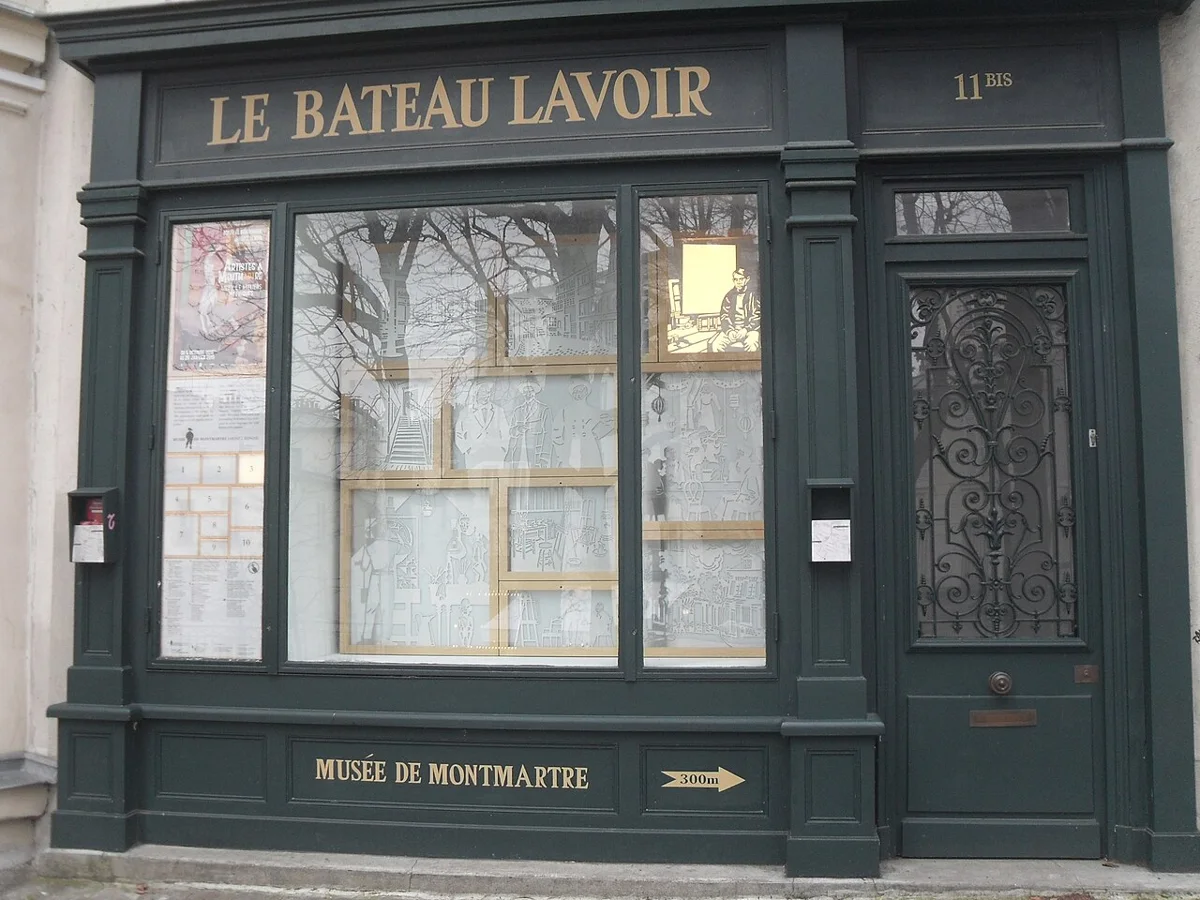
Date listed by the source: 2019-03-27 09:25. Resized and converted to WebP. This image does not establish the venue’s present condition.
The short answer
What matters before you go.
Arrive early via Lamarck–Caulaincourt, work with street lines and northern-slope details, then reach a viewpoint without trying to copy the most familiar images. Put the camera away in places of worship where photography is restricted and ask before photographing a studio, shop or person.
Action plan
The route,
step by step.
Times and order are guideposts. Always adapt the visit to crowds, actual access and your group’s energy.
Begin with textures
Look for cobbles, walls, railings, trees and shadows before monuments. Streets are clearer in the morning, but respect quiet and people heading to work.
Use the terrain
Frame a climb, bend or layer of rooftops. Stand where the pavement widens and never step backwards into the road for an angle.
Wait rather than occupy
If a frame is busy, wait at a distance or choose another image. Do not block doors, shops or steps, and never place equipment on vehicles or windows.
Review your images
A break lets you check exposure, delete intrusive images and decide what is genuinely missing: a detail, transition or atmosphere rather than another landmark.
Understand more · choose well
Bring home pictures with their context.
A good photo notebook captures terrain, details and neighbourhood life. It also records the date and place, making the images more useful than simply recreating a famous frame.
Three scales for storytelling
Take a wide view of the slope, a façade and a detail such as a sign or texture. These three images tell a walk’s story without a long series of panoramas. Change viewpoint from public space while keeping passers-by clear.
An archive as a document
The Atget photograph shown here comes from BnF collections via Commons. Its date range is retained: 1900–1901. Walls and perspectives offer historical clues, but the image does not describe the street’s current condition or access.
Eugène Atget — notice Commons / collection BnF ↗An illustration should be identifiable
This guide’s AI images suggest an atmosphere. They accompany a theme and do not establish what a shop, garden or street looks like. Documentary photos carry their own author, date, source and reuse status.
Your visit through the year
Which Montmartre for each season?
Compare priorities to adapt your walk. These are editorial pointers, not weather forecasts or crowd measurements.
Spring · March to May
Alternate gardens and streets.
Enjoy gardens when conditions allow, with an indoor option in reserve. Flowering varies by year: a spring photo does not guarantee the same appearance on your day.
| Priority | Gardens, façades, hillside details |
|---|---|
| Plan ahead | A shower and a sheltered break |
| Before leaving | Garden hours and your indoor alternative |
2017-04-02 · Adapted WebP image
Summer · June to August
Put comfort first.
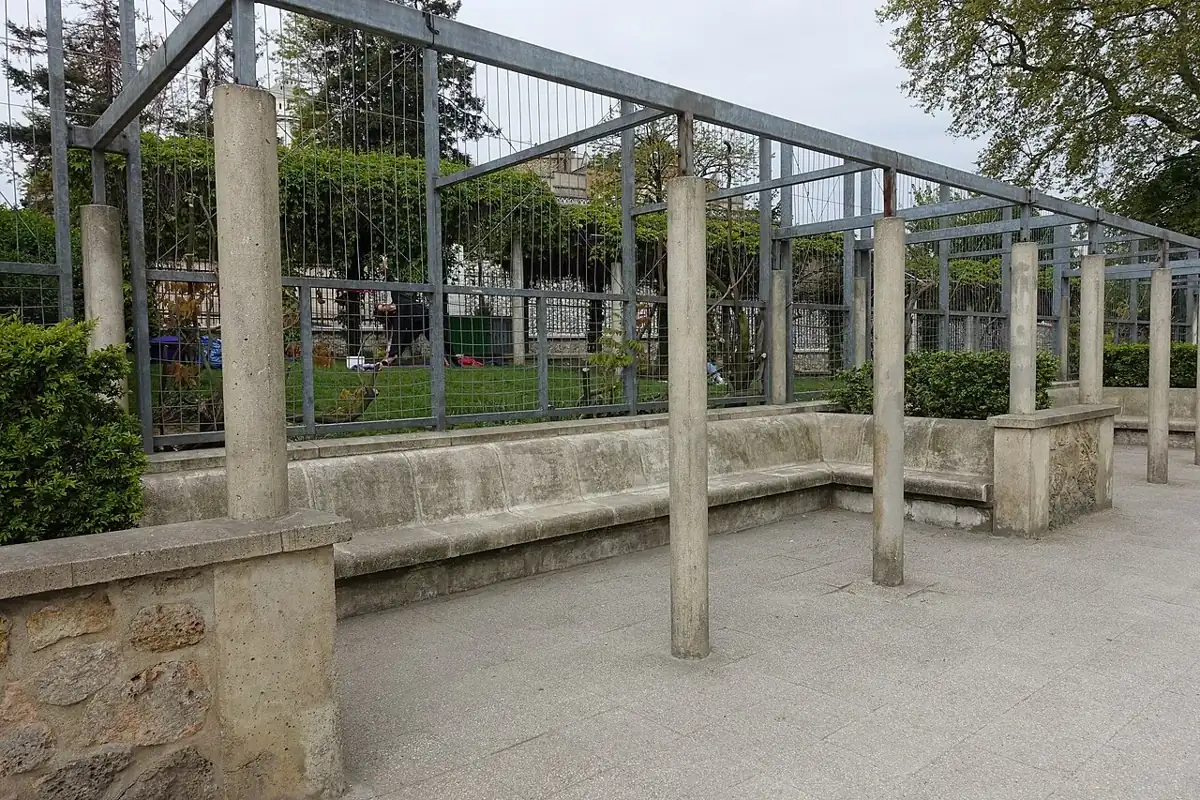
On hot days, schedule uphill and exposed stretches for a suitable time. Carry water, keep a seated break and an option to shorten the route. A leafy garden does not necessarily shade the entire walk.
| Priority | One planned ascent, followed by a break |
|---|---|
| Plan ahead | Heat, water and time outdoors |
| Before leaving | Forecast, water point access, booking |
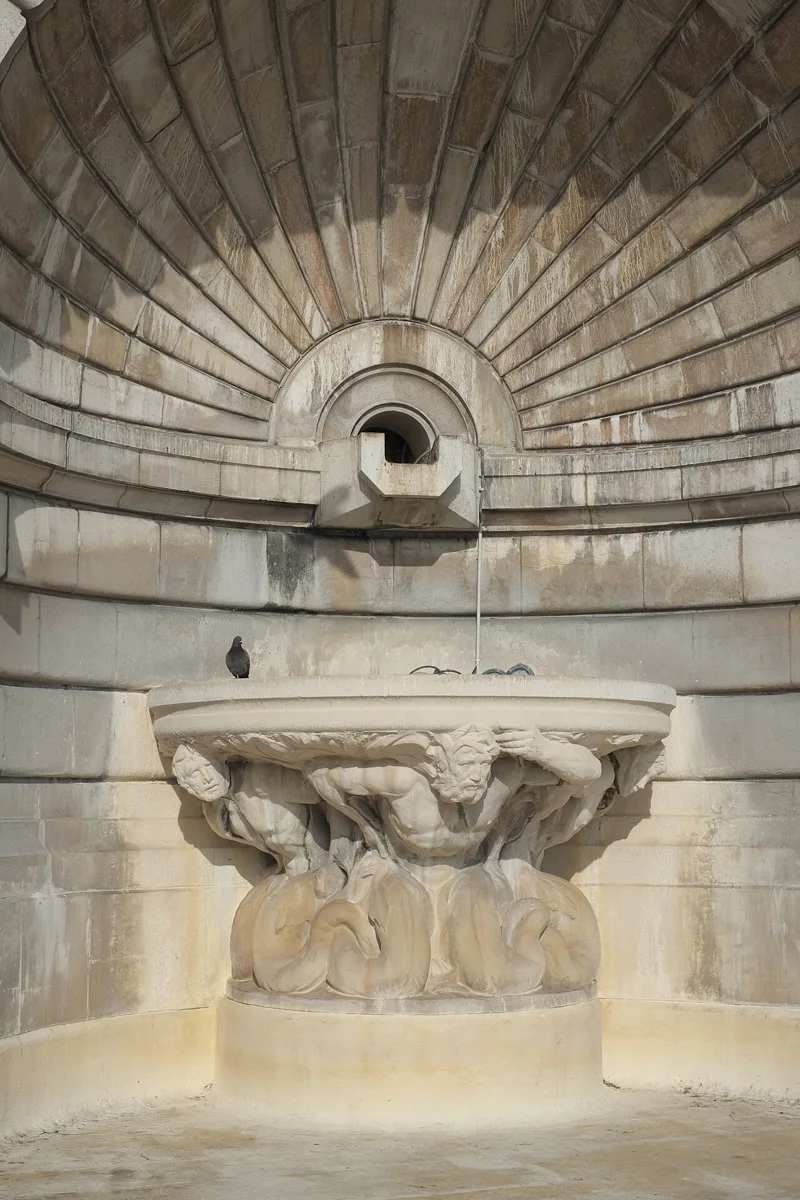
2017-04-23 · Adapted WebP image
Autumn · September to November
Observe the vines, plan an indoor stop.
The vineyard and gardens offer a seasonal view of the neighbourhood. Colours, harvests and programmes do not all follow fixed calendars. Check each event’s edition; an outdoor walk is distinct from registering for a tour.
| Priority | Vines from the streets, then museum or cinema |
|---|---|
| Plan ahead | Rain and changing light |
| Before leaving | Event date, access and registration |
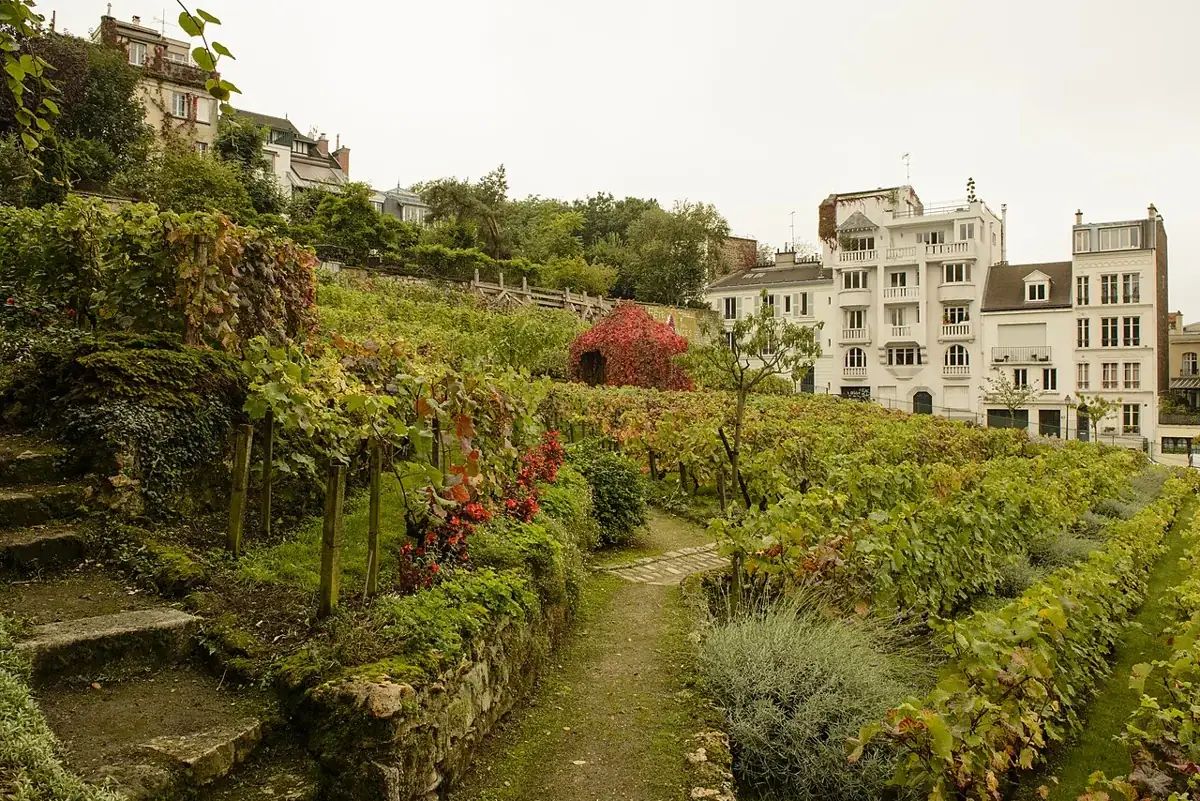
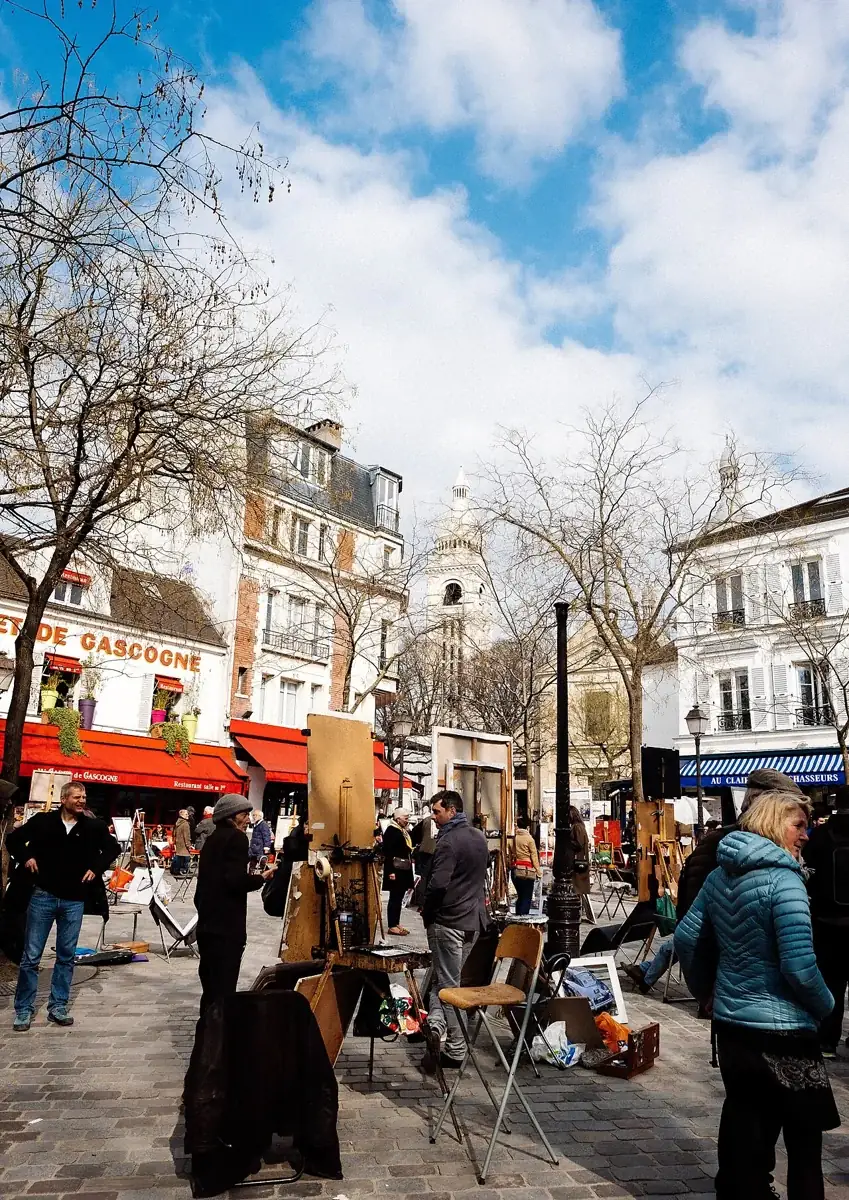
2012-10-09 · Adapted WebP image
Winter · December to February
Shorten outdoor stretches, explore indoors.
Visit streets and viewpoints during daylight, followed by an exhibition or screening. Confirm holiday hours and temporary closures. This seasonal pointer predicts neither weather nor the exact sunset time.
| Priority | A short loop and an indoor visit |
|---|---|
| Plan ahead | Cold, short days and wet surfaces |
| Before leaving | Last admission, screening, holiday hours |
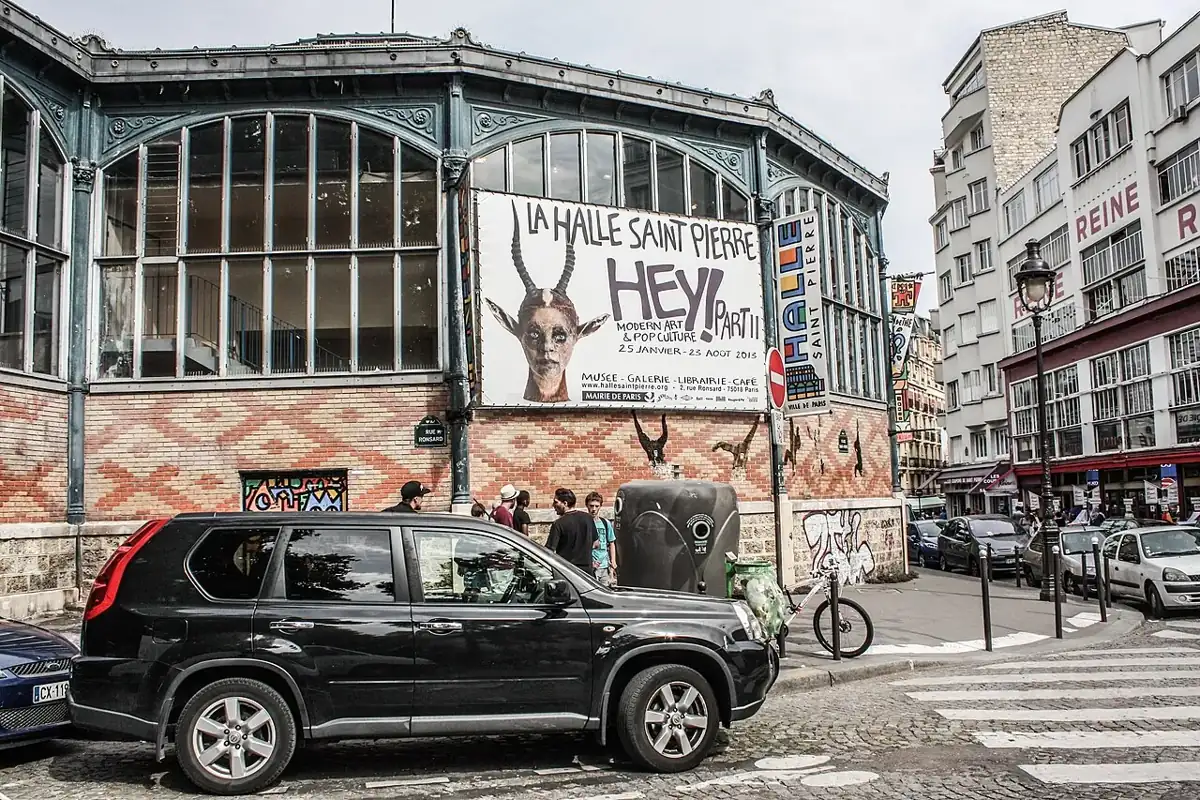
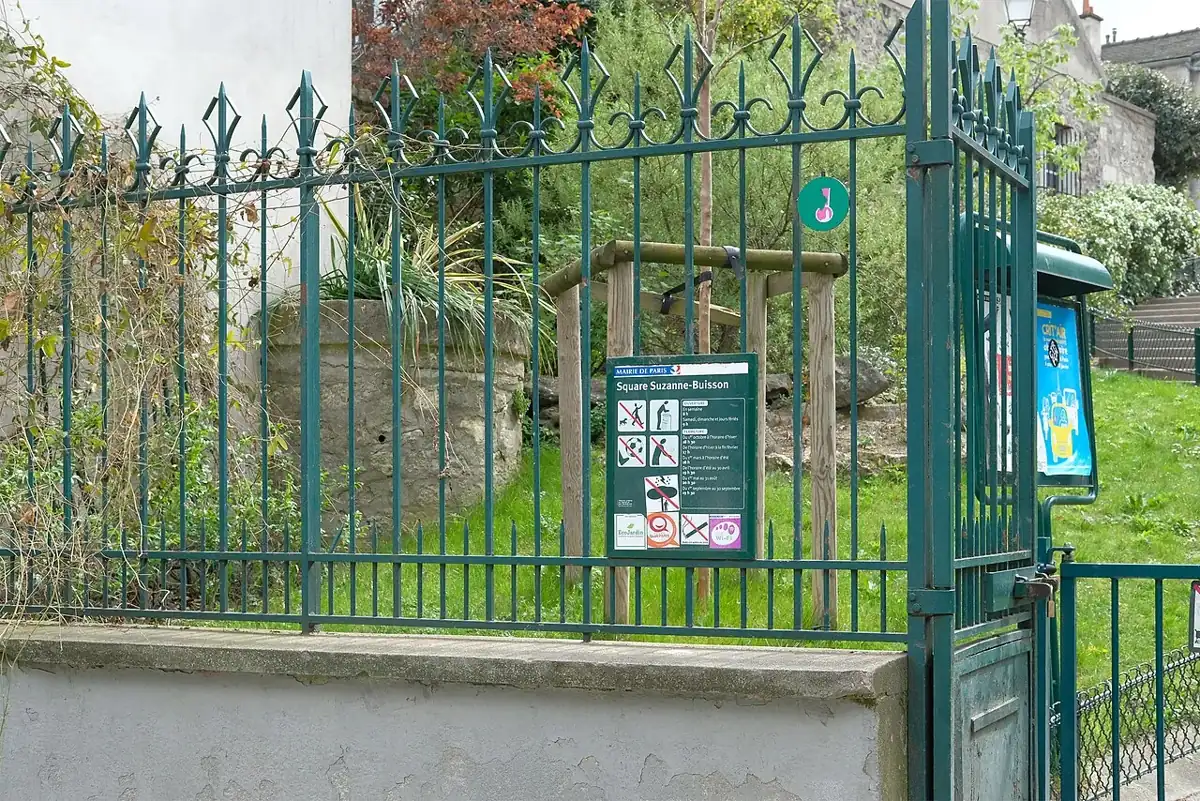
2013-08-22 · Adapted WebP image
Look closer
Details that tell the story of a place

1622 · 1717 · 1925
Moulin de la Galette — moulin historique
Two mills survive: the Blute-Fin, originating in 1622, and the Radet, from 1717. The Radet was relocated to the Lepic–Girardon corner in 1925.
Look for. The mill above the restaurant is not the area’s only mill. Look for sails and changes in ground level from the street; the grounds are private.
Ville de Paris · Protections patrimoniales ↗
2000
Square Jehan-Rictus et Mur des Je t’aime
Installed in October 2000, the I Love You Wall combines writing and calligraphy: 311 declarations of love in more than 250 languages, according to the City.
Look for. Find a familiar script, then another whose alphabet you cannot read. Look at the whole composition before framing a detail, while leaving room for others.
Ville de Paris ↗1772
Square Suzanne-Buisson
The square occupies part of the former grounds of the Château des Brouillards, a pleasure house from 1772. Its name honours resistance fighter Suzanne Buisson, who died in deportation.
Look for. Follow the terraces to read the slope instead of expecting a flat garden. The Saint Denis statue also invites exploration of local legends.
Ville de Paris ↗Compare viewpoints
Reading a historic photograph
Date and framing help compare an earlier state with the place observed today. Read the collection record to put the image in context.
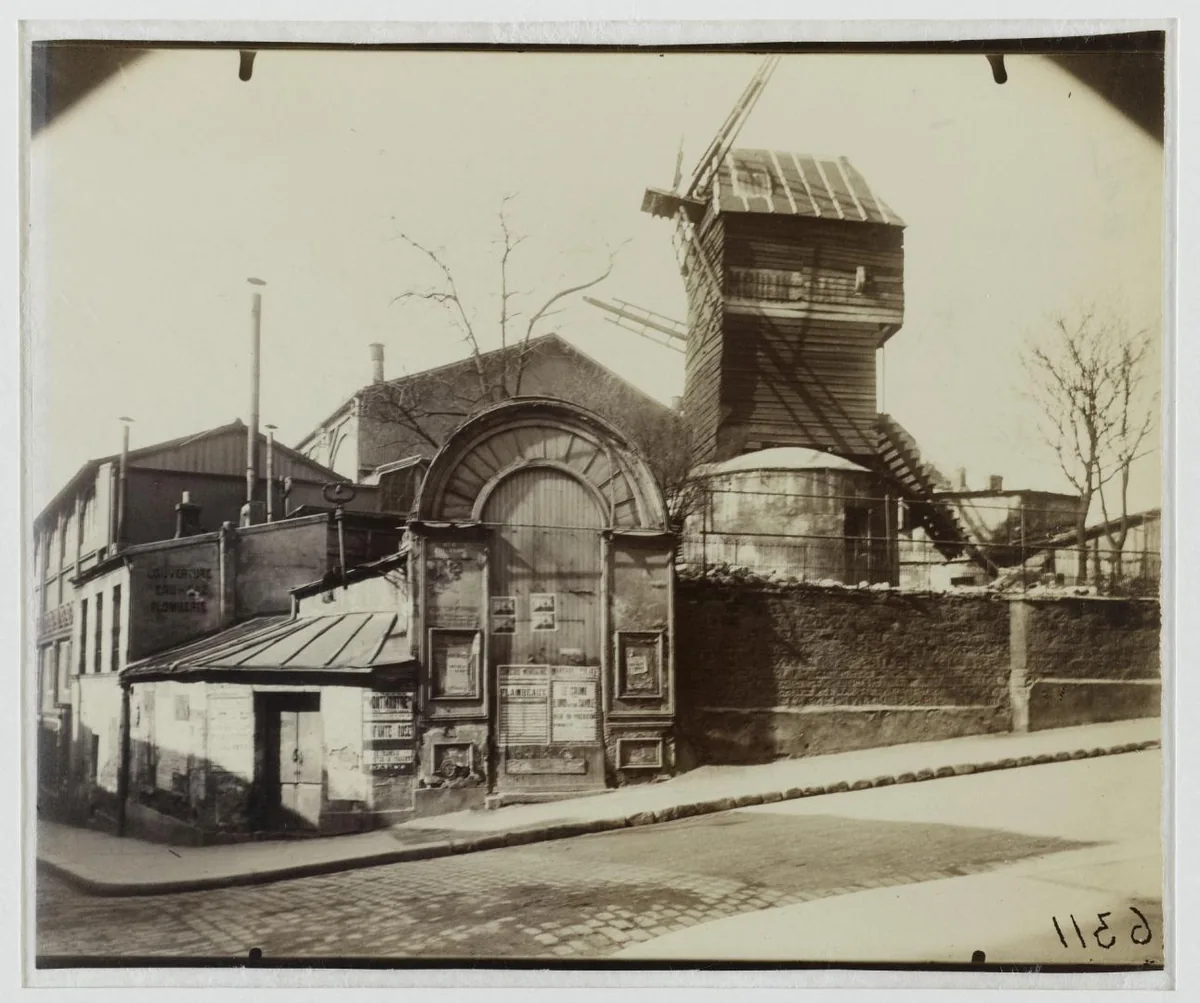
1922 · Eugène Atget
The Moulin de la Galette photographed by Atget
Photograph · archive document
Paris Musées dates this Eugène Atget photograph to 1922. It records an earlier state of the Moulin de la Galette and its surroundings, rather than their present appearance.
Look for. Compare the gateway, windmill and street alignment. A historic photograph guarantees neither the same viewpoint today nor access to private grounds.
Museum record ↗Useful trade-offs
What really changes the visit.
Faces
Ask before taking a portrait and accept refusal immediately.
Tripod
In narrow passages, work handheld to keep space clear.
Archives
Compare your images with public collections to understand change without copying a composition exactly.
Practical questions
Before confirming the route.
Can you take photographs inside Sacré-Cœur?+
Photography rules are set by the sanctuary and can change. Respect signs, services and staff requests; if in doubt, put the camera away.
Which lens should you choose?+
A lightweight standard lens is enough for streets, details and views. The best choice is one you can carry without obstructing your movement or anyone else’s.
Check on the day
Official and practical sources.
Hours, outages, works, prices and access conditions change. For any important requirement, check the relevant source and contact the venue directly.